There is something quietly reassuring about seeing familiar values travel across continents.
Not necessarily in grand gestures or ceremonial speeches, though those certainly have their place, but in quieter moments: conversations over coffee between colleagues, classrooms where ideas are exchanged openly, and the pause educators sometimes take to ask not only “How are our pupils performing?” but “How are they feeling?”
Recently, we had the pleasure of welcoming two distinguished visitors from our sister school, Wycombe Abbey in the UK: Mr Nick Woods, Deputy Head (Strategy & International), and Ms Sophie Blunt, Director of Safeguarding & Pupil Welfare.
Their visit was, in many ways, a reflection of the shared values that connect Wycombe Abbey School Hong Kong and Wycombe Abbey UK. The close partnership between our schools is shaped by shared philosophy, mutual trust, and a collective belief that outstanding education must always place young people at its centre.
And while the visit created many valuable opportunities for conversation and reflection, a particularly important focus was pupil wellbeing and the proactive pastoral care that supports it.
A Shared Ethos Across Continents
Our connection with Wycombe Abbey UK is deeply important to our identity as a school community. Although our community is rooted in Hong Kong, our pupils remain closely connected to the wider Wycombe Abbey family of schools, united by a long-standing commitment to academic excellence, character development, and holistic education.
That connection becomes particularly tangible during visits such as this one.
Across classrooms, meeting spaces, and informal discussions with staff and pupils, there was a clear sense of alignment between both schools. Not alignment in the sense of uniformity, but in values.
Curiosity. Integrity. Ambition balanced with kindness. Excellence grounded in genuine care for young people.
There is always something energising about educational dialogue when it moves beyond theory and into lived experience. One moment you are discussing strategy; the next, you are hearing a pupil animatedly explain a science project or debating whether lunchtime noodles should be considered a universal language. Schools, after all, are wonderfully lively places. Slightly noisy ones too.
Throughout the visit, there was a strong sense that life at WASHK extends far beyond academic achievement. Some of the most important moments in a school day often happen quietly: a conversation between a teacher and pupil, a check-in after a difficult week, or the steady encouragement that helps a young person regain confidence in themselves.
That is why Sophie Blunt’s work with our safeguarding teams felt so important.
Why Mental Health First Aid Matters More Than Ever
Schools today are navigating a world that looks very different from the one many adults grew up in.
Young people face enormous opportunity, but also enormous pressure. Academic expectations are high, social dynamics are complex in the digital age, and the pace of modern life rarely leaves much room for pause. Even the most capable and confident pupils can sometimes struggle quietly beneath the surface.
The challenge for schools, therefore, is not simply to react when difficulties arise. It is to create environments where support is proactive, visible, and deeply embedded into everyday culture.
This is where Mental Health First Aid training plays such a valuable role.
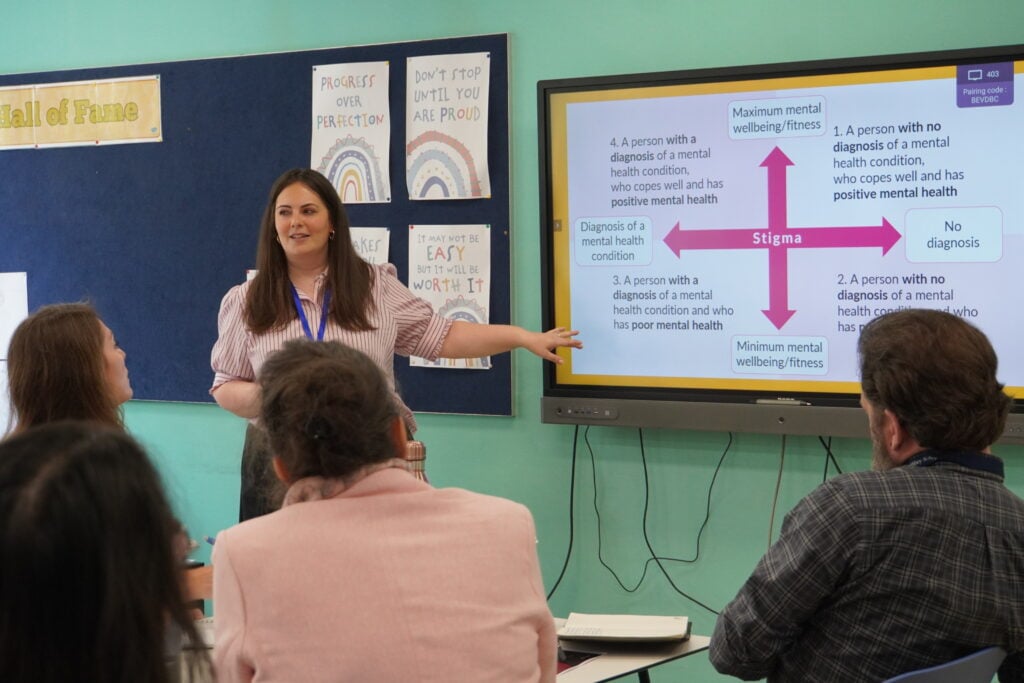
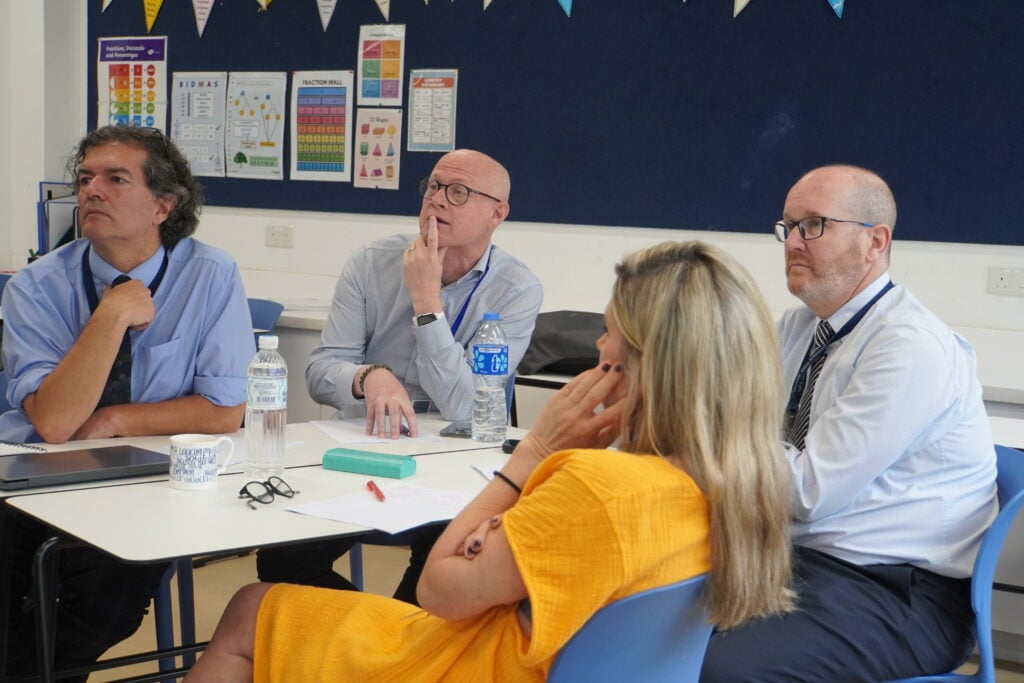
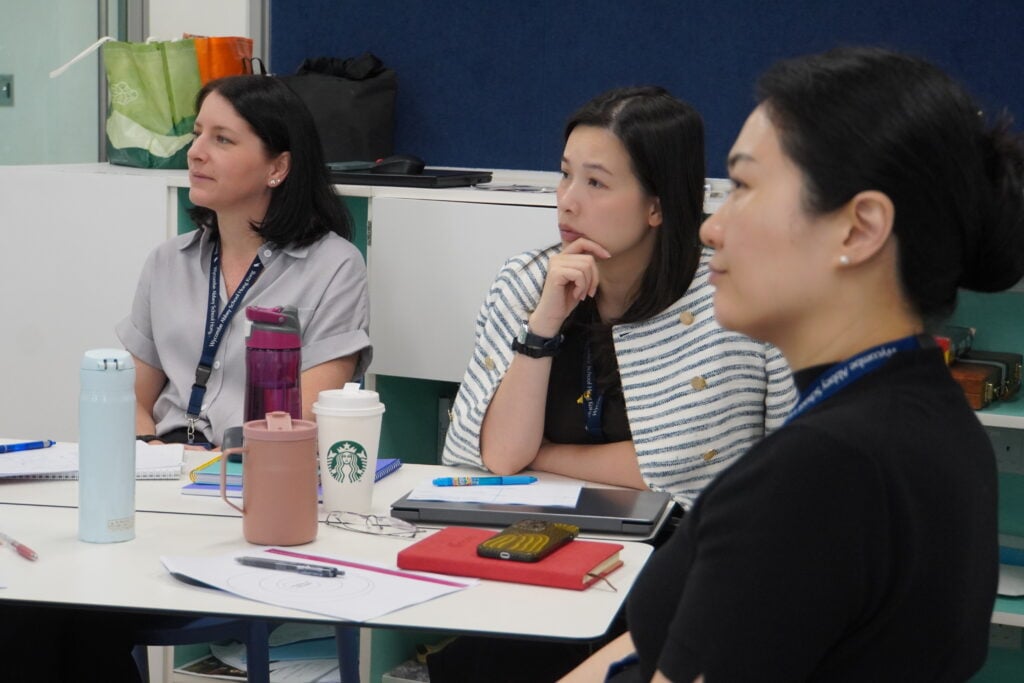
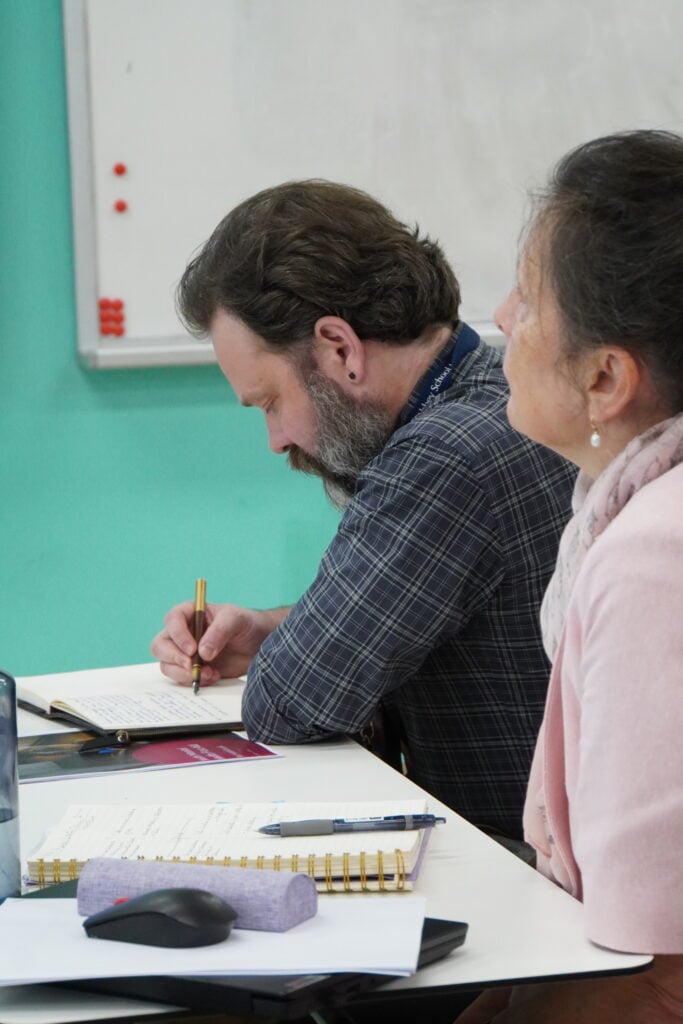
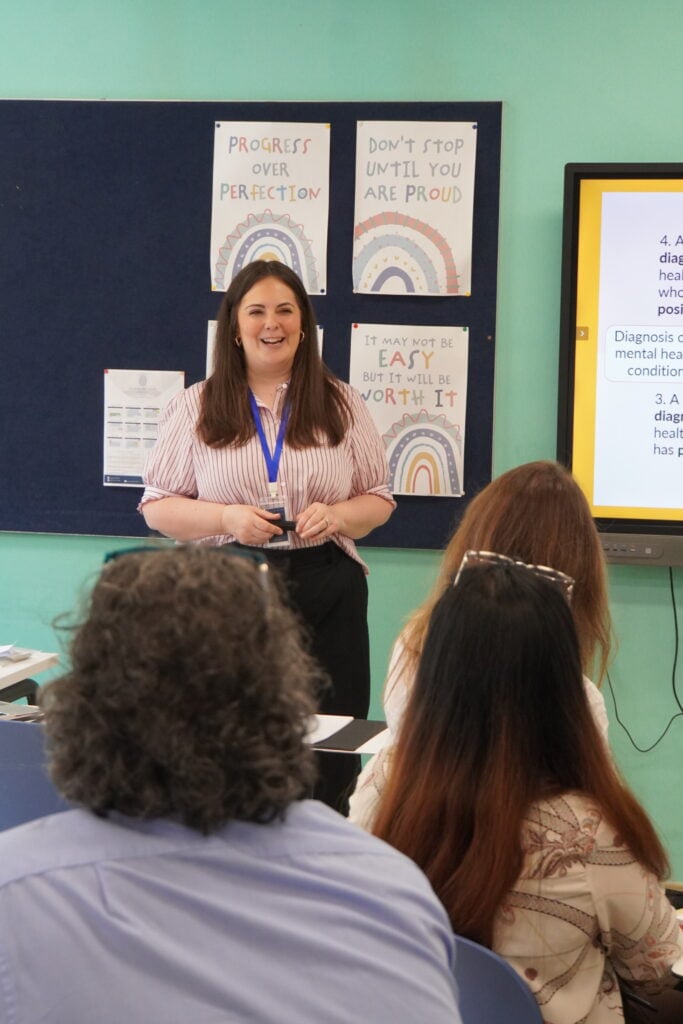
During her visit, Sophie Blunt delivered Mental Health First Aid training for WASHK’s Designated Safeguarding teams, guiding staff through essential discussions surrounding pupil wellbeing, early intervention, and pastoral support.
Yet describing her workshop simply as “training” hardly captures its true value.
The session encouraged thoughtful reflection and open professional dialogue around safeguarding, student wellbeing, and the role schools play in supporting young people both academically and personally.
There is no perfect script for supporting young people. Sometimes the most important moments happen not during formal interventions, but in seemingly ordinary interactions.
A teacher noticing a pupil who has become unusually quiet. A teaching assistant recognising subtle changes in behaviour. A trusted adult taking the time to ask a second “Are you okay?” and waiting long enough to hear the real answer.
Mental Health First Aid training helps equip staff for those moments.
Not to replace professional clinical support, of course, but to strengthen awareness, confidence, and responsiveness within the school community itself. It empowers educators to identify concerns earlier, approach conversations with sensitivity, and ensure pupils receive the right support at the right time.
Increasingly, schools around the world are recognising something educators have long understood quietly: young people learn best when they feel safe, supported, and known.
A pupil who feels emotionally secure is more likely to participate, take intellectual risks, collaborate confidently, and flourish academically. Confidence, resilience, and learning often grow strongest in environments where pupils feel genuinely supported.
The Power of Professional Reflection
One of the most valuable aspects of visits like these lies in the opportunity for professional exchange.
Education is constantly evolving, and the needs of young people evolve with it. For schools committed to excellence, remaining reflective is essential.
Throughout Sophie’s workshop, there was a strong emphasis on collaboration and shared learning. Ideas were exchanged openly. Experiences were discussed honestly. Staff reflected not only on best practices, but also on the realities of pastoral care in modern schools.
Conversations like these matter because good schools are always learning, reflecting, and looking for ways to better support the young people in their care.
How do we ensure every pupil feels seen?
How do we balance ambition with emotional wellbeing?
How do we prepare young people not only to succeed, but to navigate challenge, uncertainty, and change with resilience?
These are not simple questions. But they are important ones.
And perhaps one of the greatest strengths of the Wycombe Abbey family of schools is the willingness to engage with them thoughtfully and collectively.
Education Beyond Academics
Schools are often measured by the outcomes people can easily see: examination results, university offers, awards proudly displayed in reception areas. And of course, those things matter. They reflect ambition, dedication, and hard work.
However, some of the most important parts of school life are harder to quantify. They appear in the pupil who feels comfortable asking for help, or in the teacher who notices when a student is having a difficult week. In a culture that reminds young people they do not need to have everything figured out all the time, despite what teenagers occasionally claim.
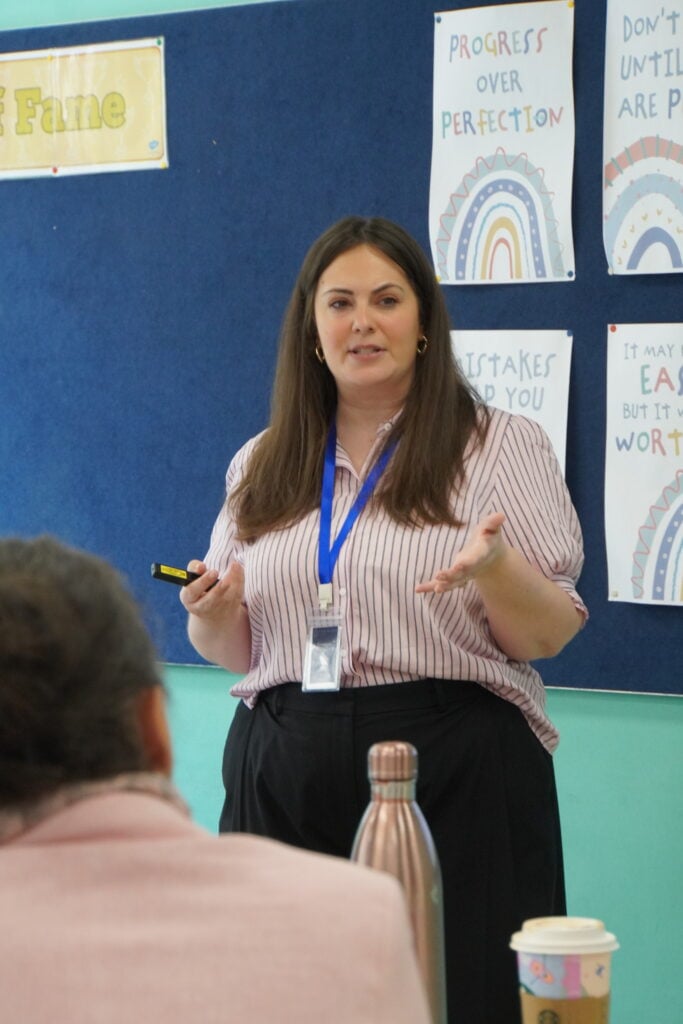
Alongside conversations with Nick Woods about the wider life of the school, Sophie Blunt’s sessions with our safeguarding teams created valuable space for reflection, discussion, and the continued sharing of best practice.
As we continue strengthening the partnership between our schools, we are grateful for opportunities to learn from one another, exchange ideas, and continue building environments where young people feel both challenged and supported.
Young people flourish when they feel supported, understood, and genuinely cared for by the adults around them. Long after lessons, timetables, and exam results fade from memory, that feeling often stays with them.
At Wycombe Abbey School Hong Kong, we believe exceptional education is about more than academic success—it is about nurturing confident, resilient, and compassionate young people who feel supported every step of the way. Discover how our commitment to wellbeing, safeguarding, and holistic development helps every pupil thrive.
Learn more about life at WASHK and arrange a visit today.
