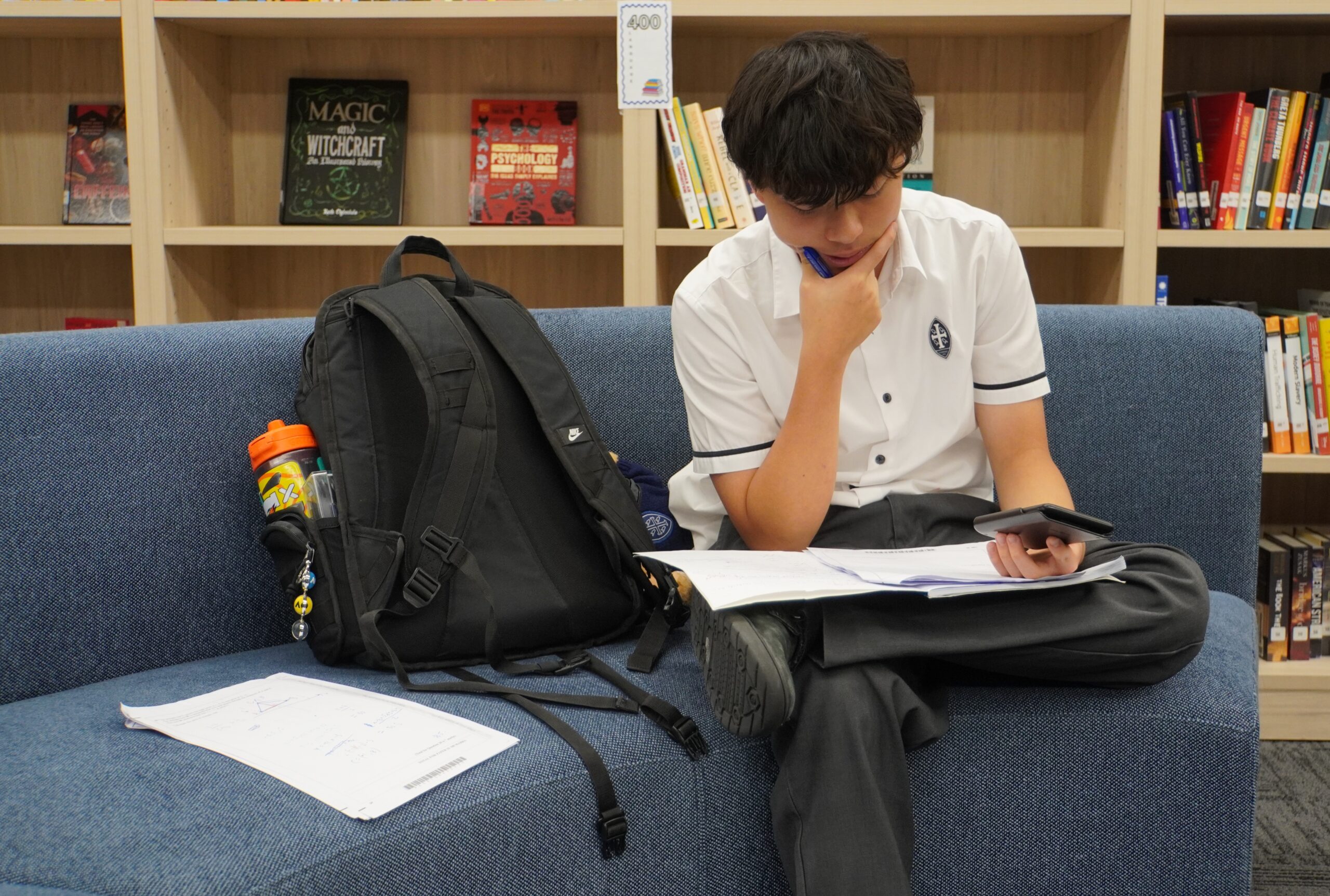
Where a School Day Becomes Something More
What does a truly meaningful school day look like?
Not simply a sequence of lessons or a neatly printed timetable, but a day in which students think independently, test ideas, collaborate with others, and quietly build the habits that will shape their future.
In Years 9, 10 and 11, students are laying the foundations for their IGCSEs. Yet, just as importantly, they are learning how to learn—developing focus, curiosity and self-discipline well before A-Levels begin.
To see how this unfolds in practice, we followed Sung Hei, a Year 10 student, through a typical day.
8:00 AM — A Thoughtful Start: Form Time
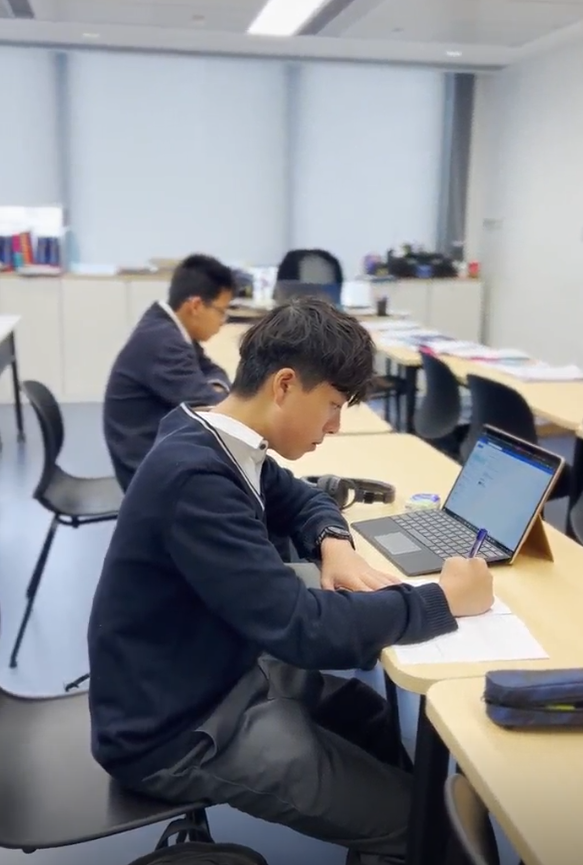
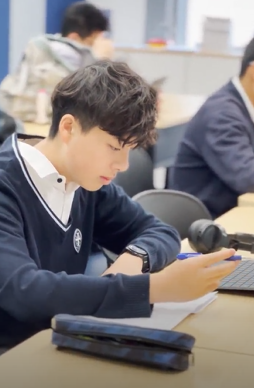
The day begins not with bustle, but with quiet purpose.
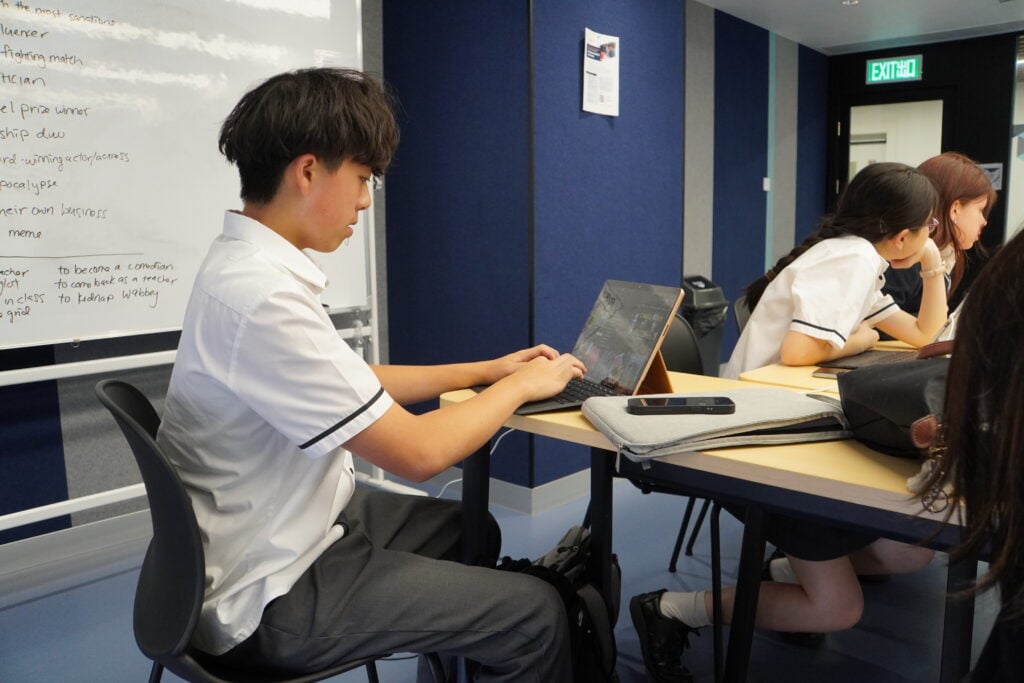
In form time, Sung Hei settles in, opens his laptop, and reviews his notes. Around him, the room hums with quiet concentration—students planning, organising, and thinking ahead.
He refines his biology revision, sharpens his English comparisons, and prepares for a history debate later in the week. There is no sense of urgency for urgency’s sake—just a calm, productive rhythm.
It is here that independence begins to take shape. Not through constant oversight, but through trust, routine, and a growing sense of ownership.
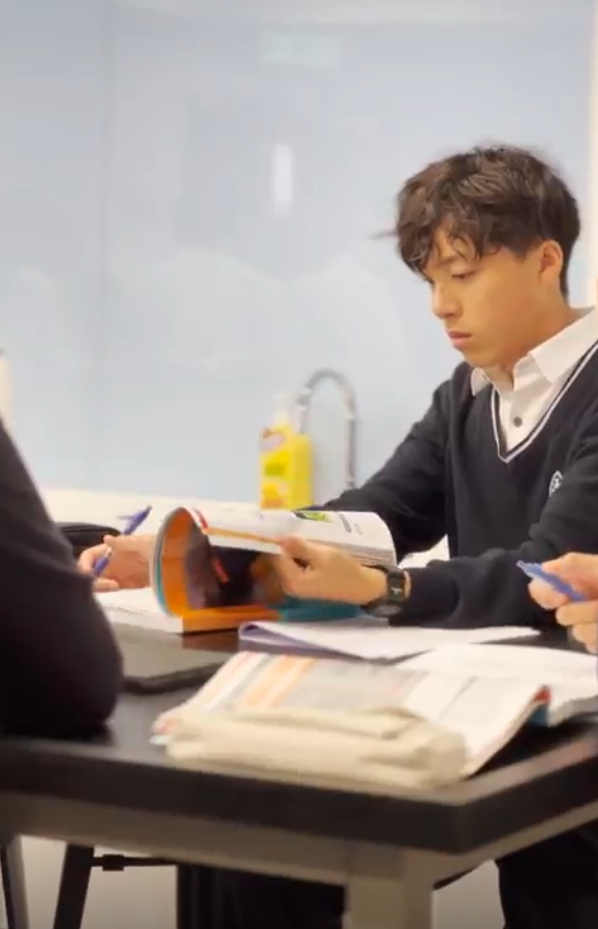
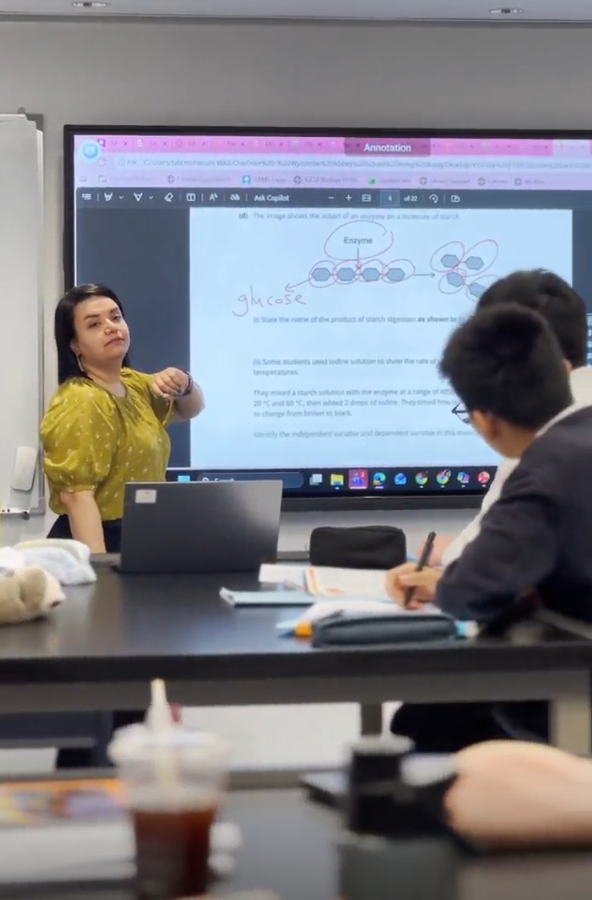
9:00 AM — Biology: When It All Clicks
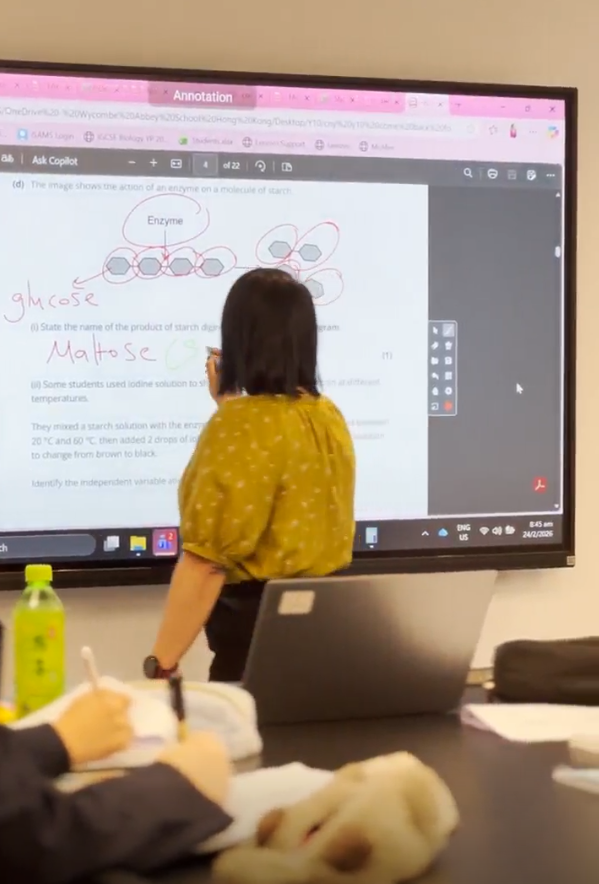
First lesson: Biology.
Today’s focus is enzymes, explored through past paper questions. Rather than simply absorbing information, Sung Hei is actively applying his knowledge—testing, adjusting, and refining his thinking.
Then comes that familiar (and quietly satisfying) moment: it clicks.
“Oh—that’s how they ask it.”
What might otherwise feel like exam preparation becomes something far more rewarding: genuine understanding.
10:00 AM — English: Finding Your Voice
English, as it turns out, is anything but silent.
In small groups, students compare texts, exchanging ideas and—politely but confidently—challenging one another. Sung Hei finds himself defending a viewpoint he had not initially considered.
A classmate questions him. He pauses, rethinks, responds.
The discussion gathers pace—lively, thoughtful, and engaging.
It is not merely about literature; it is about learning to articulate ideas, to listen carefully, and to respond with clarity. Skills that, rather usefully, extend well beyond the classroom.
11:00 AM — Break: A Genuine Sense of Community
Break time brings a welcome shift in energy.
Sung Hei meets friends; conversation replaces concentration, and laughter carries easily across the space. What stands out, however, is how naturally students interact across year groups.
A Year 9 student joins them—someone he met through an extracurricular activity. Soon after, a Sixth Form mentor stops by to say hello.
Connections here are not confined by age, but shaped through shared experiences—clubs, trips, and the occasional overnight adventure.
11:30 AM — Chinese: Language with Depth
In Chinese class, attention turns to the Four Great Classical Novels.
This is not language learning in isolation—it is language in context. Through discussion and short quizzes, Sung Hei connects the texts to broader cultural ideas.
He is not simply memorising characters; he is engaging with stories that have shaped thought for centuries.
And, perhaps unsurprisingly, that makes all the difference.
12:30 PM — Art: Thinking, Then Creating
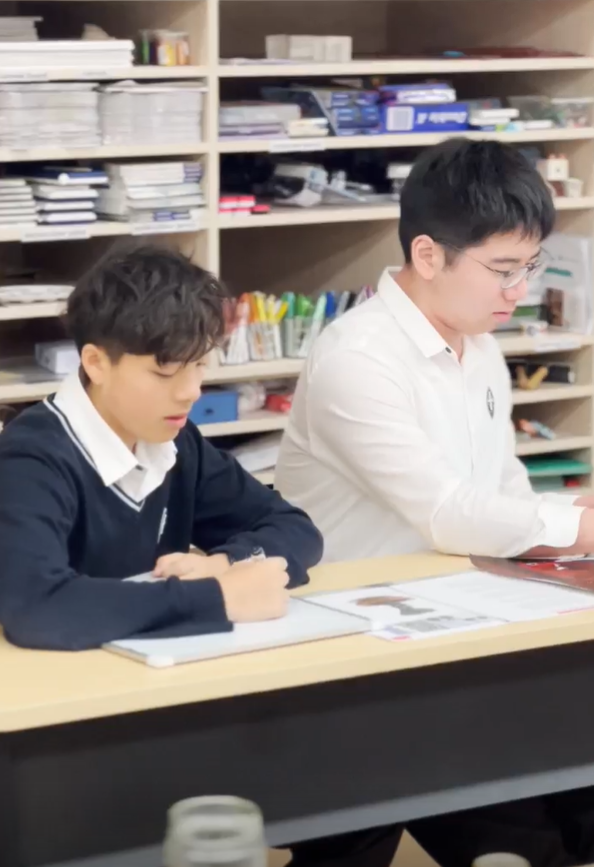
Art begins with observation.
Sung Hei and his classmates analyse works from different movements, discussing composition, colour, and meaning. There is a quiet intensity to the process—looking closely, thinking carefully.
Then, a shift.
From analysing to creating.
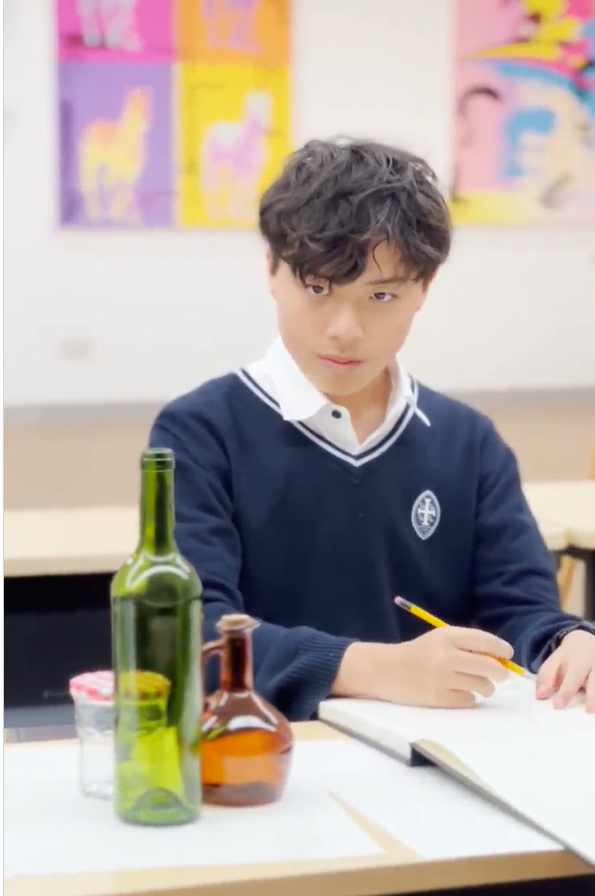
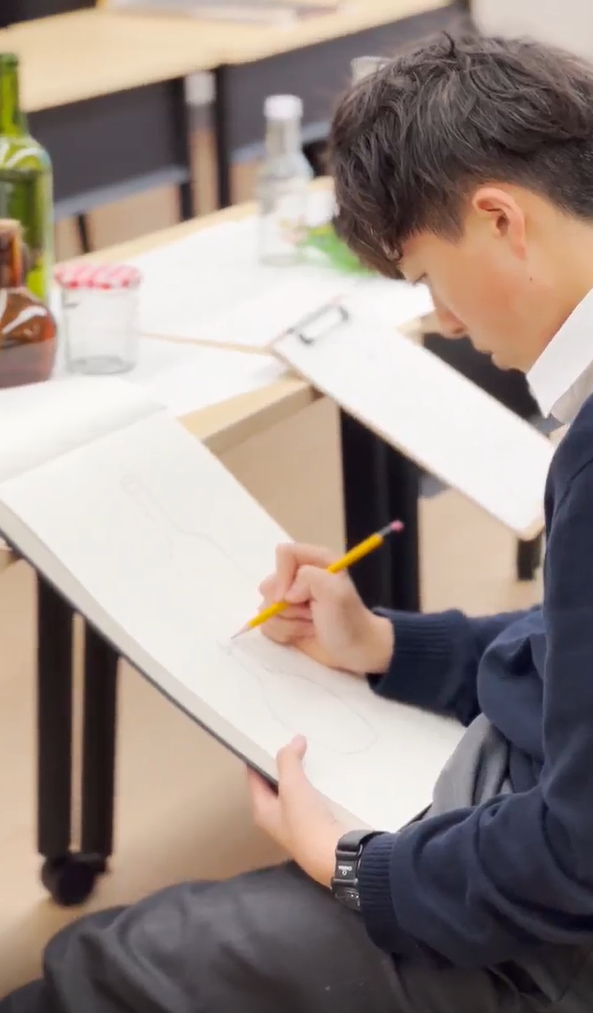
With a still life arrangement before him, Sung Hei begins to draw, applying the techniques he has just explored.
It is a balance he particularly enjoys: thinking deeply, then making something of his own.
1:30 PM — Lunch: Time to Recharge
The canteen is lively, warm, and reassuringly sociable.
Sung Hei sits with his usual group, though “usual” is a flexible concept—students come and go, conversations overlap, and there is always room for one more.
For a short while, the focus shifts entirely. It is simply a moment to pause, recharge, and enjoy the company of others.
2:15 PM — Self-Study: Independence in Action
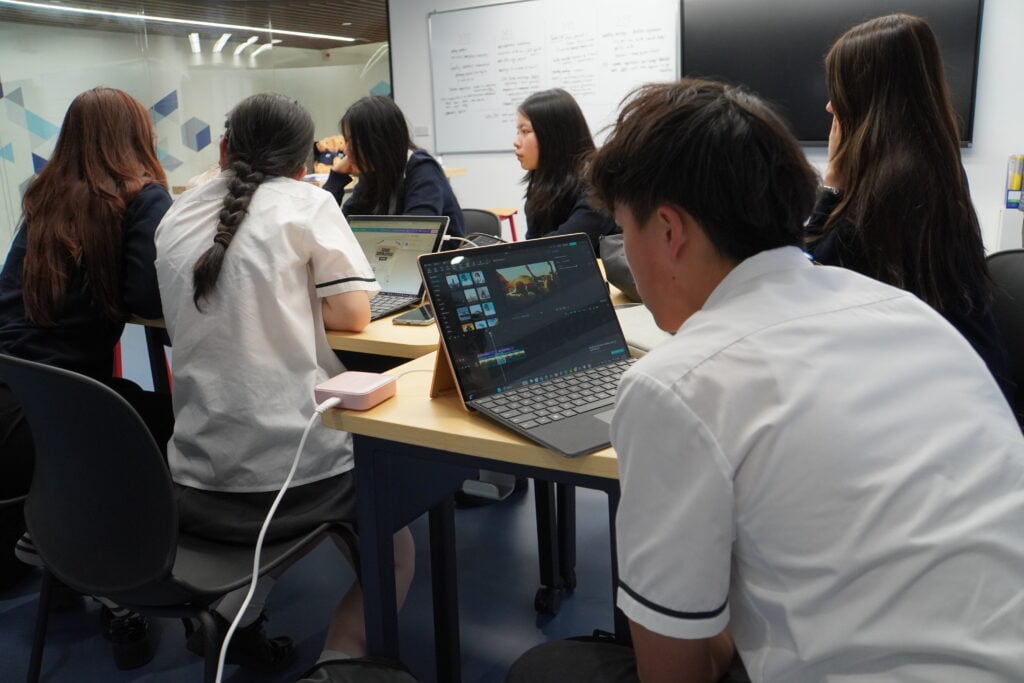
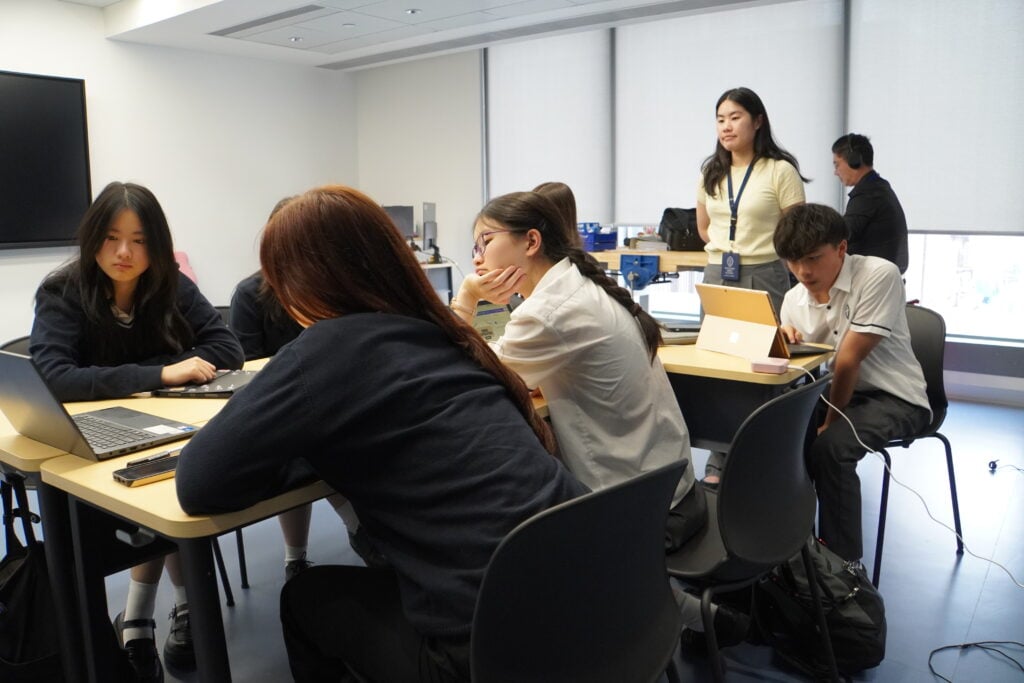
After lunch, Sung Hei joins a self-study session with friends.
This is not idle time—it is purposeful independence.
Together, they prepare for an upcoming history test, quizzing one another and working through more challenging concepts.
They know support is available if needed, but sessions like this build something more enduring: confidence in managing their own learning.
A useful skill now—and an essential one later.

3:00 PM — History: Where Ideas Are Tested
History is a lesson Sung Hei genuinely looks forward to.
After reviewing feedback from recent tests, the class begins a new topic: Russia.
Rather than a traditional lecture, the lesson unfolds as a debate. Students gather evidence, build arguments, and explore perspectives—even those they may not personally agree with.
For Sung Hei, this is where history becomes most compelling: not simply a record of events, but an exercise in interpretation, reasoning, and respectful disagreement.
4:00 PM — Core Sports: Balance in Practice
The day continues beyond the classroom.
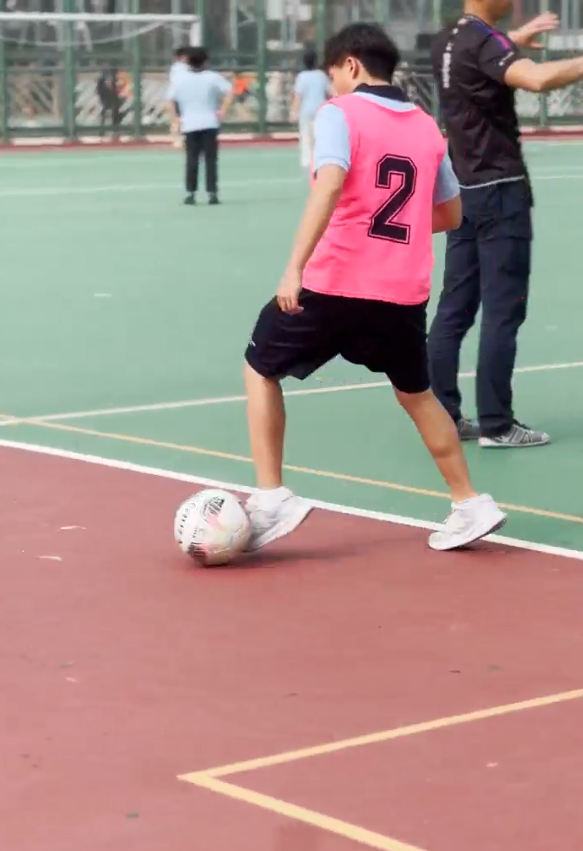
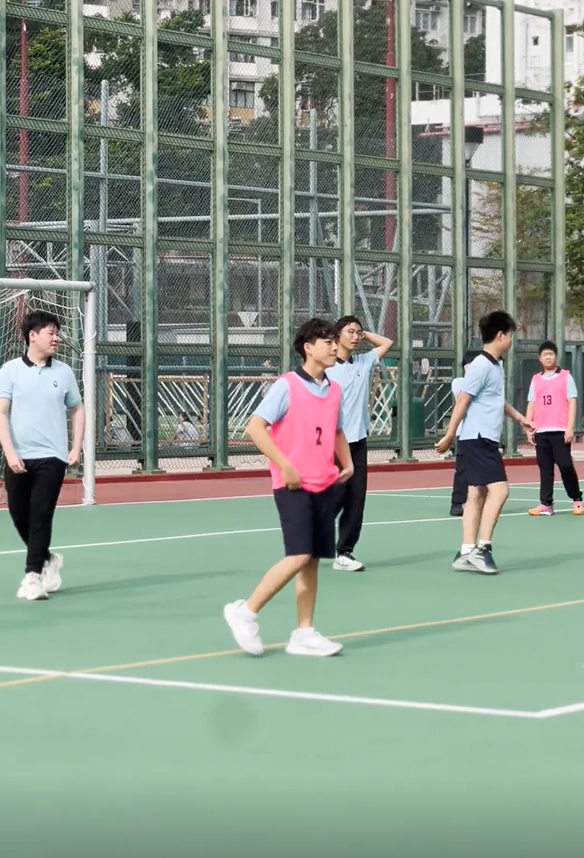
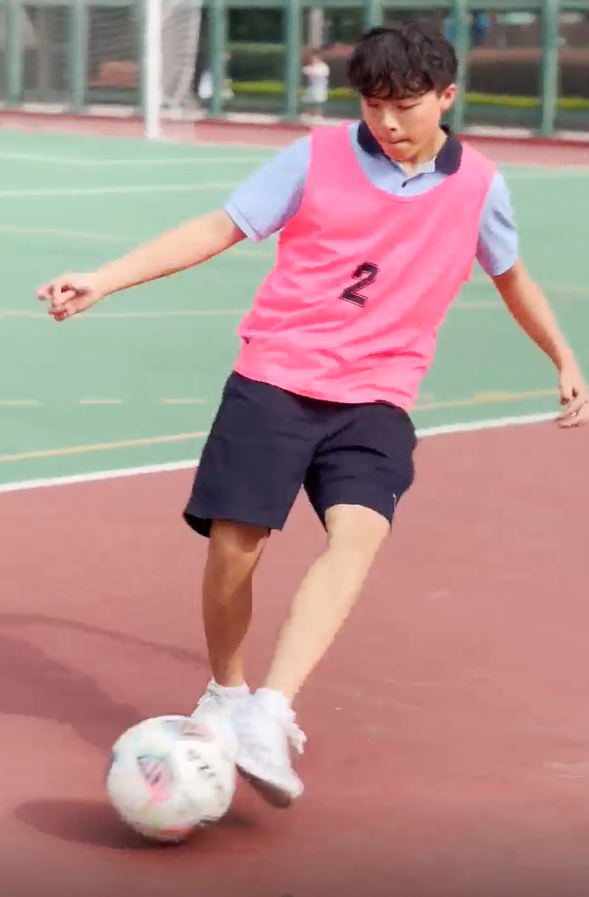
Core sports provide an opportunity to move, compete, and work as part of a team.
For Sung Hei, it is both energising and grounding—a reminder that a healthy mind is best supported by a healthy body (and occasionally a bit of friendly competition).
After School — Support That Continues
Even after formal lessons end, the school remains quietly purposeful.
Academic support sessions offer students the chance to revisit topics, ask questions, and extend their understanding.
Whether refining a mathematical concept or exploring history in greater depth, help is always within reach.
For Sung Hei, it is not about catching up—it is about continuing to move forward.
Why This Day Matters
By the end of the day, one thing is clear.
This is not simply a timetable—it is a carefully balanced experience.
Academic challenge.
Independent thought.
Collaboration.
Creativity.
Wellbeing.
The habits Sung Hei is developing now—managing his time, engaging in discussion, thinking critically—will carry him confidently into A-Levels, university, and beyond.
Because what matters most is not only what students learn, but how they learn to think, to question, and, occasionally, to surprise themselves along the way.
Learn More About Our Senior School
Sung Hei’s day offers just one glimpse into life at Wycombe Abbey School Hong Kong.
Our Senior School brings together IGCSE and A-Level pathways with thoughtful university guidance, small class sizes, and a curriculum that extends beyond the traditional—through iSTEAM, Entrepreneurship, and a wide range of co-curricular experiences. From core sports and ECAs to residential trips and overseas tours, learning continues well beyond the classroom.
For those curious to explore further, you can find more about our approach and daily life in the Senior School here.
And, of course, there is no substitute for seeing it in person—watching a day unfold much like Sung Hei’s, in all its focus, energy, and quiet moments in between.
