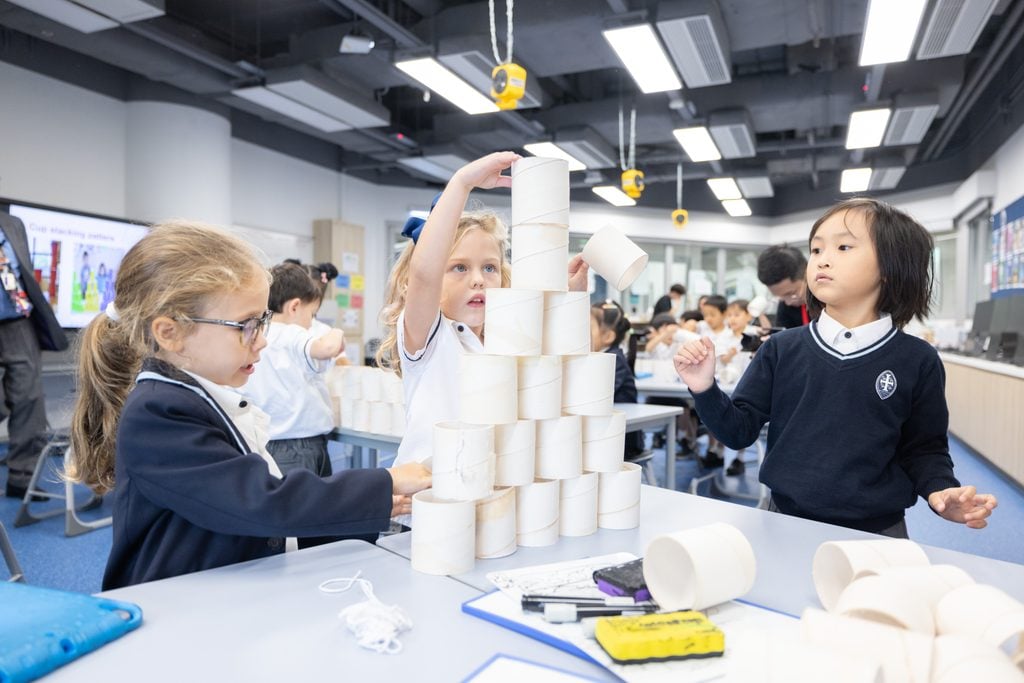
In a city like Hong Kong, with such a diverse range of international schools, choosing the right one for your child can feel both exciting and overwhelming.
Whether taking a school tour or attending an Open Day, it is often the smaller details that leave the strongest impression. The way pupils interact with their teachers. The confidence with which children share their ideas. Or the sense of belonging felt simply by walking through the corridors.
While these details offer valuable insights into a school's character, what else should parents look for? Consider how children are taught and supported, whether learning feels purposeful, how openly the school communicates with families, and how pupils are prepared for their future.
Ask teachers for specific examples. Thoughtful answers should go beyond general promises, helping you understand what your child’s everyday school experience might look like and where they could genuinely flourish.
1. What Does Learning Actually Look Like in the Classroom?
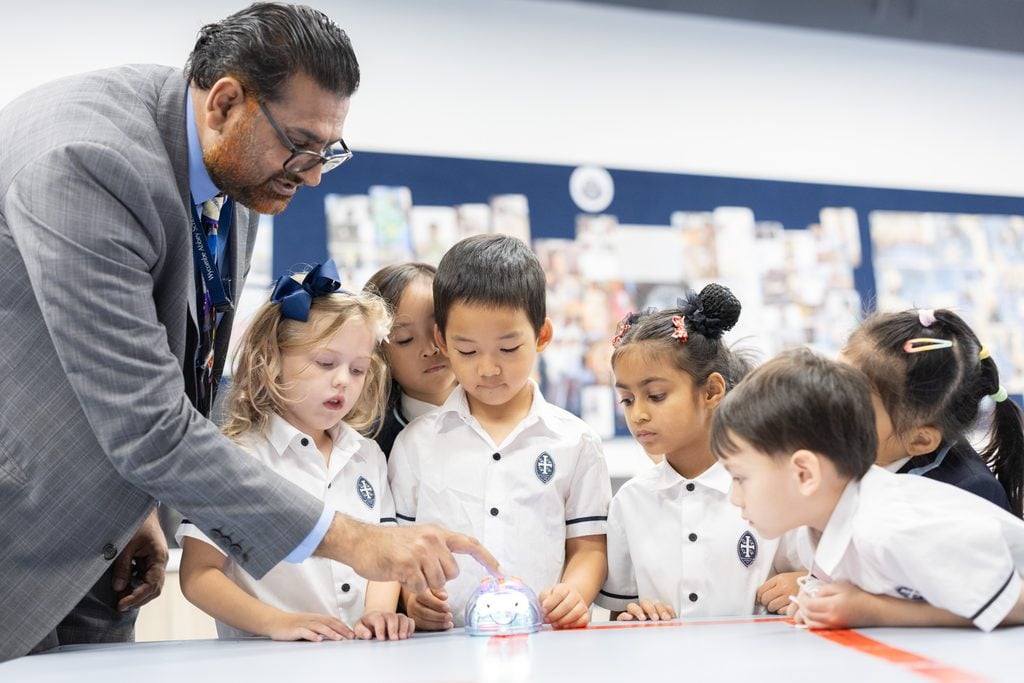
When visiting a school, particularly for Years 1–4, one valuable question is:
“Can you show me how children are encouraged to think independently, rather than simply follow instructions?”
Listen to how teachers describe their approach. Are pupils encouraged to explain their reasoning, explore different ideas, and learn from mistakes?
Meaningful learning sometimes involves lively discussion and collaboration. At other times, it requires quiet concentration and independent reflection. What matters is whether pupils are actively engaged, encouraged to think, and given appropriate guidance.
At Wycombe Abbey School Hong Kong (WASHK), our integrated iSTEAM programme reflects this balance. Pupils collaborate, investigate, and solve problems through hands-on activities, while also developing independent thinking and reflection.
Interactive workshops, like those offered during our Open Days in iSTEAM, Chinese, English, and Art, allow families to experience our approach first-hand. Equally valuable is observing an ordinary school day during a tour, where everyday routines and classroom interactions offer a different perspective. Every school approaches visits differently, but both experiences are worth exploring.
2. How Does the School Approach Its Curriculum and Language Learning?
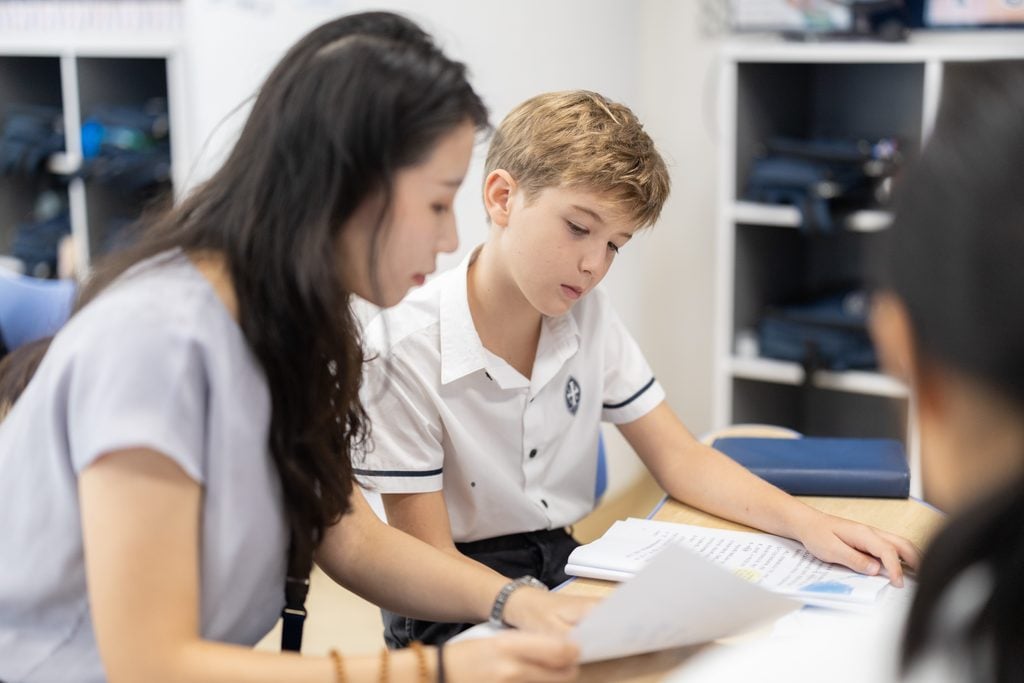
For families considering international schools in Hong Kong, understanding how a curriculum is delivered within a multilingual environment is particularly important.
Ask:
“How do you balance English, Mathematics, and Chinese, and how does that balance develop as children progress?”
A useful answer should explain how teaching time, language development, and academic expectations are structured.
At WASHK, English, Mathematics, and Chinese form the foundations of our curriculum. Although we are an English-medium school, English and Chinese receive equal teaching time each week, reflecting our commitment to developing confidence and proficiency in both languages.
We also recognise that pupils arrive with different educational experiences and language abilities. Our Intensive English Programme supports academically capable pupils who require additional English-language development to participate confidently in mainstream learning.
For parents in Hong Kong, understanding these practical details can reveal considerably more than a curriculum label alone.
3. How Well Does the School Really Know Your Child?
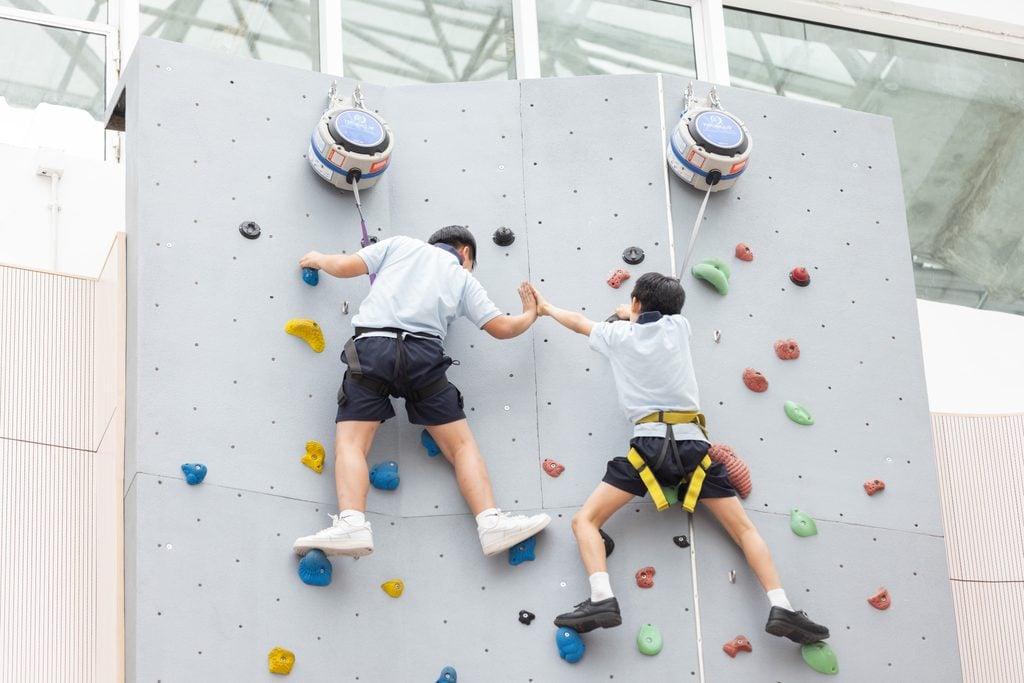
Every child brings something different into the classroom.
Some confidently share their opinions before a teacher has finished asking the question. Others prefer to observe quietly before finding their voice.
A good school recognises that both children deserve opportunities to flourish.
One revealing question is:
“If my child were struggling academically or socially, how would I know, and what would happen next?”
Look for an answer that explains how concerns are identified, support is provided, progress is monitored, and parents are involved.
At WASHK, our small classes, each with a dedicated Teaching Assistant, help teachers understand pupils as individuals. In Key Stage 1 (Years 1–2), our 1:6 teacher-to-pupil ratio provides opportunities for individual attention during these important early years.
Through regular communication, teachers and Teaching Assistants share observations about each child’s academic progress, emotional wellbeing, and personal development. This shared understanding helps ensure support is woven into everyday classroom life, rather than offered only when challenges arise.
After all, personalised education should be something parents can recognise in practice, not simply a phrase in a prospectus.
4. What Does the Relationship Between School and Home Look Like?
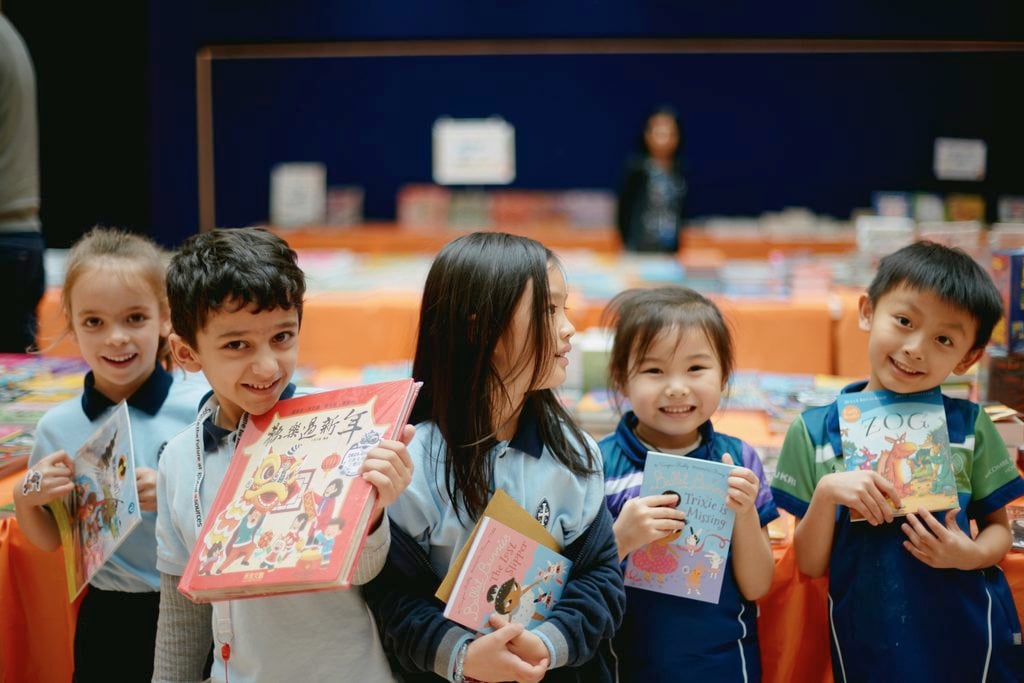
Good communication goes beyond academic reports and parent-teacher meetings. It should help families understand their child’s development and feel genuinely involved in their educational journey.
Ask:
“How will I know what my child is learning and experiencing at school?”
At WASHK’s Prep School, our Parent-Pupil Immersive Learning Afternoons invite families into the learning process itself. Parents work alongside their children, experience aspects of the curriculum first-hand, and develop a deeper understanding of classroom learning.
Regular communication from class teachers and Form Tutors, alongside community events such as Dove Day and parent gatherings, creates further opportunities for open conversations and meaningful connections. Parents are also welcome to contact their child’s teacher, Form Tutor, or our Headmaster to discuss progress, share concerns, or simply stay connected.
For prospective parents, it is worth exploring not only how frequently a school communicates, but how approachable and responsive that communication feels.viding the right balance of encouragement and challenge as their independence grows.
5. How Does the School Prepare Children for What Comes Next?
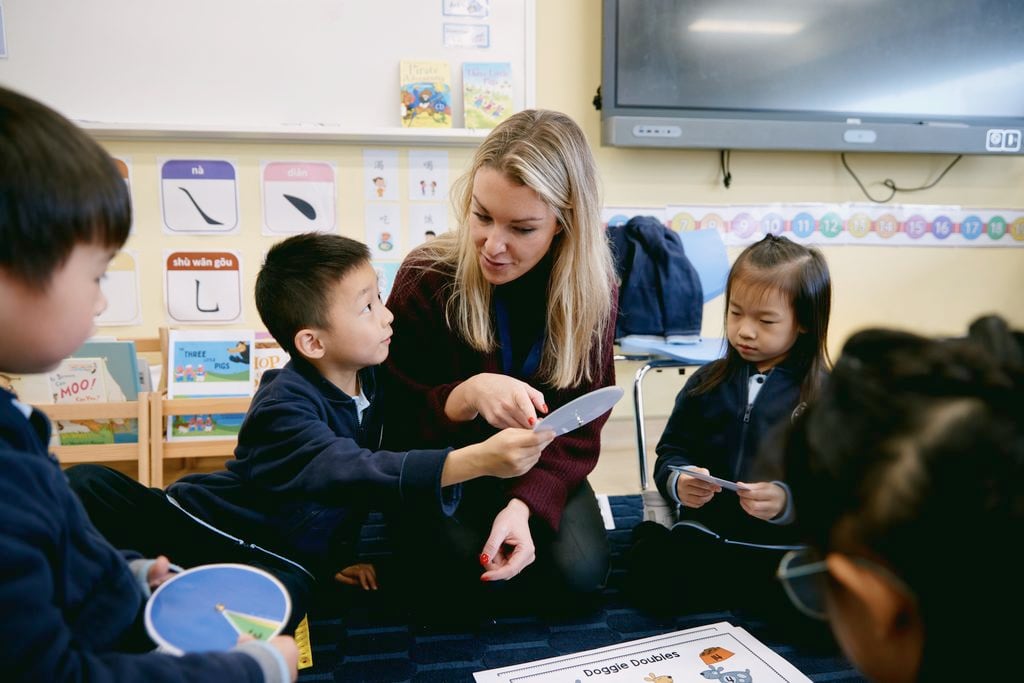
When choosing a Prep School, parents naturally consider both their child’s immediate needs and the opportunities ahead.
Will my child enjoy Year 1? Will they settle comfortably? And will their education eventually prepare them to pursue their ambitions, whether in Hong Kong or abroad?
Ask:
“How do you prepare pupils for the different stages of their education, from their early years through to university and beyond?”
A thoughtful answer should explain how academic expectations, independence, and personal development evolve, including the support offered during important transitions.
At WASHK, our educational journey extends from Year 1 through Year 13. Although our Prep and Senior Schools occupy separate campuses, they remain one connected community.
Our Art & Transition Mornings offer a practical example. Year 7 and Year 8 pupils visit the Senior School, meet older students, explore specialist facilities, and participate in activities within their future learning environment. These experiences build familiarity and confidence as pupils prepare for their next chapter.
As they progress through Senior School, pupils develop the knowledge and independence needed for IGCSEs, A-Levels, and future university pathways, whether locally or internationally.
After all, preparing a child for the future begins long before the future arrives.
Looking Beyond First Impressions
Choosing the right school is rarely a decision made after a single visit.
Whether attending an Open Day, taking a tour, or speaking with educators, look for meaningful examples of how a school supports its pupils, responds to challenges, and brings its educational philosophy to life.
Perhaps most importantly, think about your own child.
Can you imagine them feeling comfortable enough to ask questions, confident enough to try something unfamiliar, and supported enough to persevere when learning becomes difficult?
At Wycombe Abbey School Hong Kong, we welcome families to explore these questions with us. Because finding the right school is about more than facilities or opportunities. It is about discovering a community where your child will be understood, challenged, encouraged, and prepared for everything that lies ahead.
Discover more about our approach to education at Wycombe Abbey School Hong Kong and arrange a personal school tour to experience our school community first-hand.
