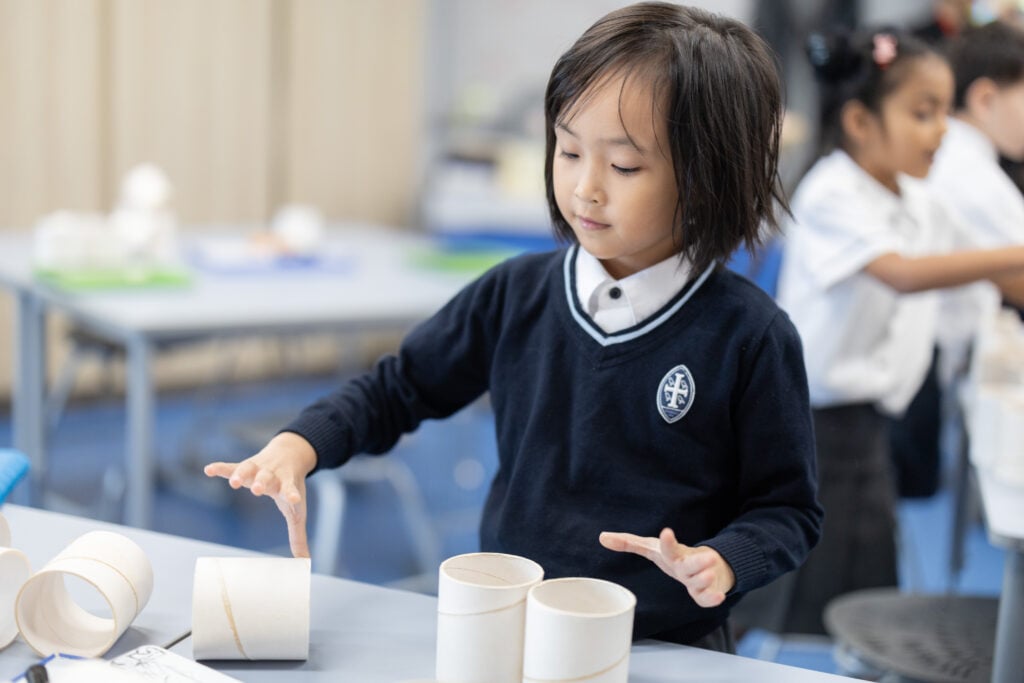
Sometime around June, as the school year comes to an end, Reception children seem to grow up all at once, almost overnight.
The child who once needed reassurance at the classroom door now walks in confidently, barely glancing backwards. Shoes are put on independently. Friendships have been firmly established. Opinions are shared freely—and often. Somewhere between phonics lessons, imaginative play and endless discussions about dinosaurs, fairies or whichever fascination currently reigns supreme, something remarkable has happened.
They have grown.
And with that growth comes the next milestone: the transition from Reception to Year 1.
For many parents, moving from Reception to Year 1 can feel surprisingly emotional. There is excitement, certainly, but often a few questions too.
Is my child ready for Year 1? Will they cope with the increased structure? What if they still prefer building dens to practising handwriting?
If any of these thoughts sound familiar, rest assured you are not alone.
Every year, countless families navigate the Reception to Year 1 transition. The good news is that this move is designed to be a gradual progression, not a dramatic leap. While there will be new expectations and opportunities, Year 1 builds upon the strong foundations established during the Early Years Foundation Stage (EYFS).
Why the Transition from Reception to Year 1 Feels So Significant
The move from Reception to Year 1 is often the first major transition in a child’s school journey.
In Reception, learning is carefully structured around play, exploration and discovery. Children are encouraged to develop confidence, communication skills, creativity and independence through a rich variety of experiences.
As children move into Year 1 and Key Stage 1, there is a natural shift towards more formal learning. While play remains an important part of childhood, there is greater focus on literacy, numeracy and subject-specific learning.
For parents, this can sometimes feel like a significant change.
For children, however, it often feels much simpler.
Most are less concerned about curriculum expectations and far more interested in practical matters such as:
- Who their teacher will be
- Whether their friends will be in the same class
- Where they will sit
- What they will learn about
- Whether there is still time for play
Children have a wonderful ability to focus on what matters most to them in the moment.
What Changes When Children Move from Reception to Year 1?
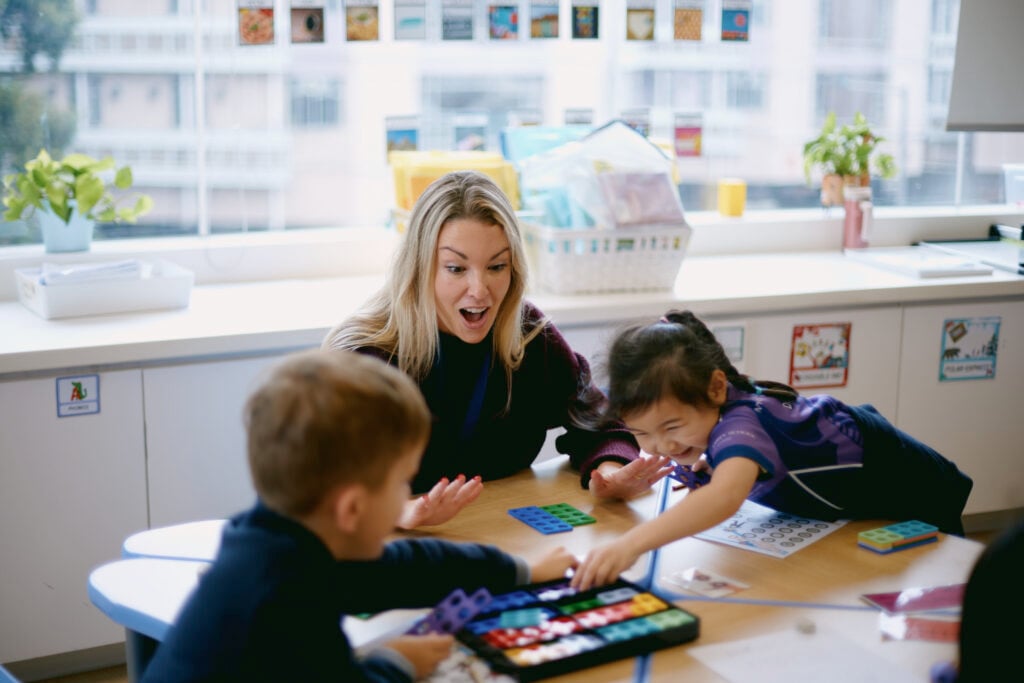
One of the most common questions parents ask is what Year 1 will actually look like.
While every school approaches the transition slightly differently, there are some key changes children can expect.
More Structured Learning
Children begin to spend longer periods engaged in focused learning activities. Literacy and numeracy become more prominent, and lessons often follow a more structured timetable.
Greater Independence
Teachers encourage children to take increasing responsibility for themselves and their learning.
This may include:
- Organising their belongings
- Following classroom routines independently
- Managing simple tasks without adult support
- Taking responsibility for completing activities
New Opportunities to Grow
Year 1 is not simply about academic progress. It is also a year in which children continue developing:
- Confidence
- Resilience
- Problem-solving skills
- Collaboration
- Communication
These qualities are every bit as important as learning to read and write.
Is My Child Ready for Year 1?
If there is one question educators hear more than any other at this time of year, it is this:
“Is my child ready?”
The answer is often simpler than parents expect.
Readiness is not about being able to do everything perfectly. No Year 1 teacher expects children to arrive in September already reading fluently, writing pages independently or mastering complex mathematics. If they did, there would be very little point in Year 1.
Instead, Year 1 readiness is often reflected in qualities such as:
- Curiosity
- Willingness to try new things
- Growing independence
- Ability to follow routines
- Developing social skills
- Confidence to ask for help when needed
Children develop at different rates, and there is no single checklist that determines whether they are “ready”.
In fact, many parents underestimate just how much progress their child has already made throughout Reception.
How Parents Can Support the Reception to Year 1 Transition
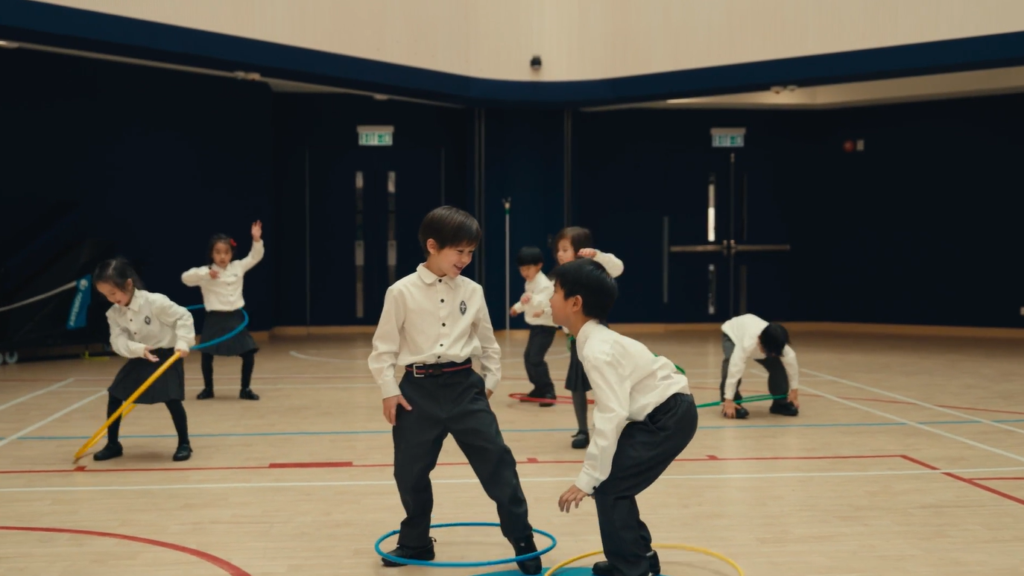
The summer holidays provide a wonderful opportunity to help children prepare for Year 1—but perhaps not in the way many people imagine.
There is no need to turn the six-week break into an intensive academic programme. Some of the most valuable preparation happens through everyday experiences.
Encourage Independence
Small responsibilities can have a big impact on confidence.
Encourage your child to:
- Dress themselves
- Tidy away belongings
- Help prepare simple snacks
- Pack their own bag
- Take responsibility for small daily tasks
These practical skills help children feel capable and confident when starting Year 1.
Keep Reading Part of Everyday Life
One of the best ways to prepare for Year 1 is also one of the simplest.
Read together.
Visit the library. Revisit favourite stories. Explore new books. Talk about characters and ask questions.
Most importantly, keep reading enjoyable.
A love of books will take children much further than pressure ever could.
Talk About the Move Positively
Children often take their cues from the adults around them.
Speak positively about Year 1. Discuss exciting opportunities, new experiences and what they are looking forward to.
At the same time, acknowledge that feeling nervous is perfectly normal.
Children do not need to be excited every moment of every day. They simply need to know that change is something they can manage.
Maintain Healthy Routines
As September approaches, gradually reintroducing school-friendly routines can make the return easier.
Consistent bedtimes, regular mealtimes and predictable daily rhythms help children feel secure and prepared for the new term.
Make Time for Play
This may be the most important piece of advice of all.
Play is not something children leave behind in Reception.
Whether they are building, creating, imagining, exploring or running around outdoors, children are developing vital skills that support future learning.
Play remains one of the most powerful tools for growth.
Five Things Your Child Does Not Need Before Starting Year 1
Parents often place unnecessary pressure on themselves during the summer before Year 1.
For reassurance, your child does not need:
- Perfect handwriting
- To read independently
- To know all their number facts
- To sit still for long periods
- To feel completely confident about the transition
Children are still learning, growing and developing. That is exactly as it should be.
How Wycombe Abbey School Hong Kong Supports Children as They Begin Year 1
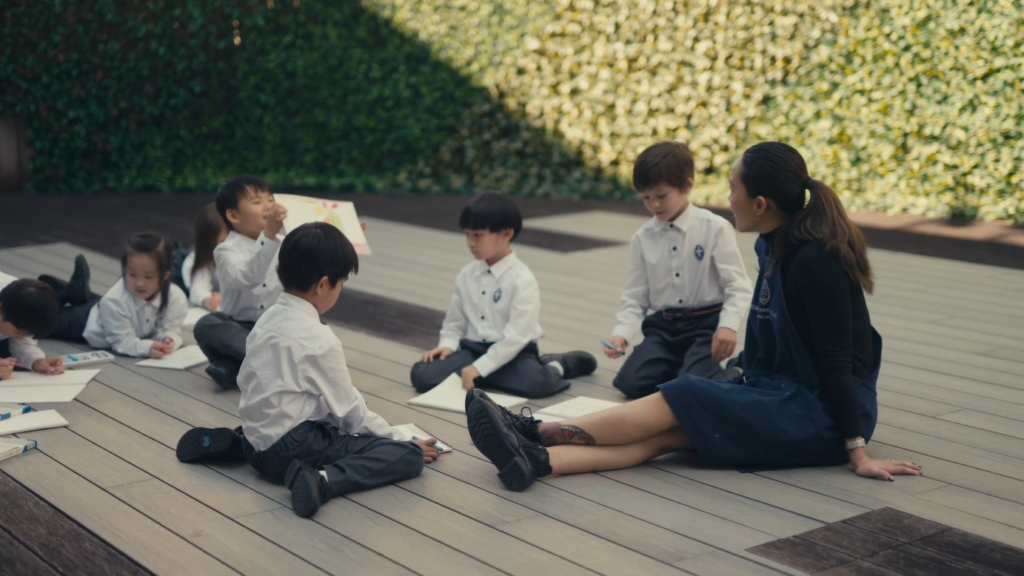
For many children, Year 1 marks the beginning of their formal school journey. It is a significant milestone—not only for pupils, but often for parents too. After all, while children tend to focus on making new friends and discovering new classrooms, adults are usually the ones wondering whether everyone has remembered their water bottle.
At Wycombe Abbey School Hong Kong, we understand that starting Year 1 is about much more than settling into a new environment. It is about building confidence, fostering independence and nurturing a genuine enthusiasm for learning from the very beginning.
Our small class sizes and close-knit community allow teachers to develop a deep understanding of every child as an individual. This means pupils are supported academically, socially and emotionally as they adapt to new routines, expectations and opportunities.
From their very first days at school, children are encouraged to develop the habits and mindset that will support them throughout their educational journey. Through a carefully balanced approach that combines academic rigour with creativity, exploration and pastoral care, pupils quickly gain the confidence to embrace new challenges and take increasing ownership of their learning.
Equally important is the partnership between school and home. We work closely with families throughout this important transition, ensuring parents feel informed, supported and confident as their children embark on this exciting new chapter.
By the time pupils have settled into Year 1, they often surprise us with just how quickly they grow in confidence and independence. Our role is simply to provide the guidance, encouragement and sense of belonging that allows them to flourish from the very start.
The Next Chapter Begins
Every September, Year 1 teachers witness the same reassuring pattern.
Parents arrive wondering whether their child is ready for the next stage.
Children arrive wondering where the construction area is, who they will sit beside and what is for lunch.
More often than not, it is the adults who need the reassurance.
The transition from Reception to Year 1 is an important milestone, but it is not a leap into the unknown. It is the next step in a journey that has already begun.
With encouragement, routine, plenty of opportunities to play and a little trust in how much they have already learned, children are often far more prepared than we realise.
And before long, they will be walking into Year 1 with the same confidence they once reserved for conquering the climbing frame.
Ready to begin your child’s next chapter? Explore how Wycombe Abbey School Hong Kong provides the academic foundation, pastoral care and inspiring environment that help every child flourish from their very first day in Year 1. Enquire today to learn more.
