Choosing the right school for your child is one of the most significant decisions a family faces, as it will shape their academic journey and personal growth. With so many choices available, learning about the types of schools in Hong Kong is essential to make an informed choice that aligns with your child’s unique needs and aspirations.
A common point of confusion for parents is the distinction between private schools and international schools. While the terms are sometimes used interchangeably, they are not the same. Private schools in Hong Kong operate independently of the government and often follow local curricula or niche educational philosophies. On the other hand, international schools are defined by their commitment to a specific foreign curriculum – such as British, IB, or American Systems – and, crucially, by their student body.
An authentic international school is characterised by a multinational student body and staff, creating a multicultural environment that fosters global citizenship. This diversity, along with a top-tier education, equips students not only for examinations but also for life in a world that is becoming more interconnected. For many expatriates and globally minded families, international schools are the optimal choice.
With so many excellent options, how can you determine which one is truly the best for your child? The idea of a single “best” school is a misconception. The real goal is to find the right fit.
To help you confidently navigate the wealth of choices, the following factors will guide you in identifying which school may be the best fit for your family and child.
1. Look for an Accredited International Curriculum
This forms the foundation of your child’s education. You should look for schools with globally recognised and accredited frameworks such as the International Baccalaureate (IB), British A-Levels, or the US Common Core. These pathways are structured and rigorous designed to promote 21st-century skills like creativity, critical thinking, and adaptability.
To make an informed decision, it is essential to understand the core differences between the most popular pathways in international schools in Hong Kong:
- A-Levels (Advanced Levels): This is the traditional British pathway. It is a subject-based qualification where students typically specialise in three or four subjects that align with their strengths and future university aspirations. For example, a future engineer might focus solely on Maths, Further Maths, and Physics. This allows for deep, specialist knowledge and is often the preferred route for UK universities.
- IBDP (International Baccalaureate Diploma Programme): This is a broader, more holistic programme. Students must study six subjects across languages, sciences, humanities, and maths, in addition to core components like the Theory of Knowledge (TOK) and an Extended Essay (EE). It demands excellent time-management and well-rounded ability, and is highly regarded by universities worldwide, particularly in the US.
- US Common Core & Advanced Placement (AP): This pathway follows an American-style education model, offering a broad-based curriculum in the early years with increasing flexibility as students progress. In their senior years, students often have the opportunity to take Advanced Placement (AP) courses—college-level classes that allow for deeper dives into specific subjects. This system is ideal for families seeking a comprehensive education that allows for flexibility to explore a wide range of interests before specialising. Naturally, it is the preferred route for those aiming for universities in the US.
Increasingly, top schools in Hong Kong are offering multiple pathways (e.g. A-Levels and IBDP or US Common Core and IBDP), allowing students to choose the approach that best fit their learning preferences at a later stage. When researching, always consider your child’s academic and future goals to choose a curriculum that aligns with their ambitions.
Future-Proofing: Regardless of which pathway you prefer, the curriculum you choose should be one that prepares your child for the future. The world is evolving rapidly. A modern, accredited curriculum doesn’t just teach facts; it teaches students how to learn, ensuring they are ready and adaptable for jobs that don’t even exist yet.
2. Consider Your Child’s Learning Style
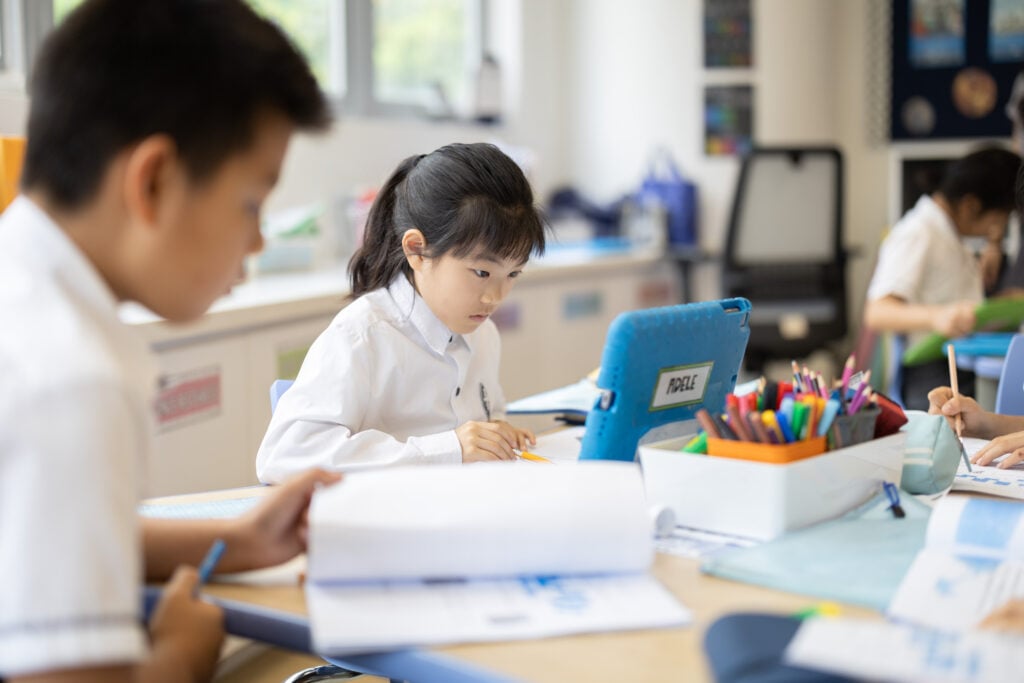
Before looking at league tables, look inward. Every child learns differently—some excel in structured, traditional settings, while others thrive in creative, inquiry-based, or hands-on approaches. International schools in Hong Kong offer a diverse range in teaching philosophies. Some are known for being highly academic and pressurised, suiting naturally driven students, while others are known for their nurturing and creative approaches. Knowing how your child learns best is the first step to identifying the most suitable school for them.
3. The Quality and Character of Teachers
The teaching staff will significantly influence your child’s educational journey. They not only provide instruction on the curriculum, but they also serve as role models. They spend so much time with students that they often become mentors and confidants.
The best schools hire diverse, experienced teachers, including international hires, ensuring varied perspectives and expertise. However, while it’s essential to evaluate the teacher’s technical qualifications, their characters are just as important. You will want your child to interact with and to build relationships with teachers who are not just passionate about their jobs but also demonstrate a healthy interest in the personal development of their students. During a school visit, observe the rapport between the staff and students. High retention rates often indicate a happy, committed faculty.
4. Small Class Sizes and Personalisation
Class size matters, but what the teacher does with a small class matters more. Small class sizes enable individualised attention and deeper engagement with the subject matter.
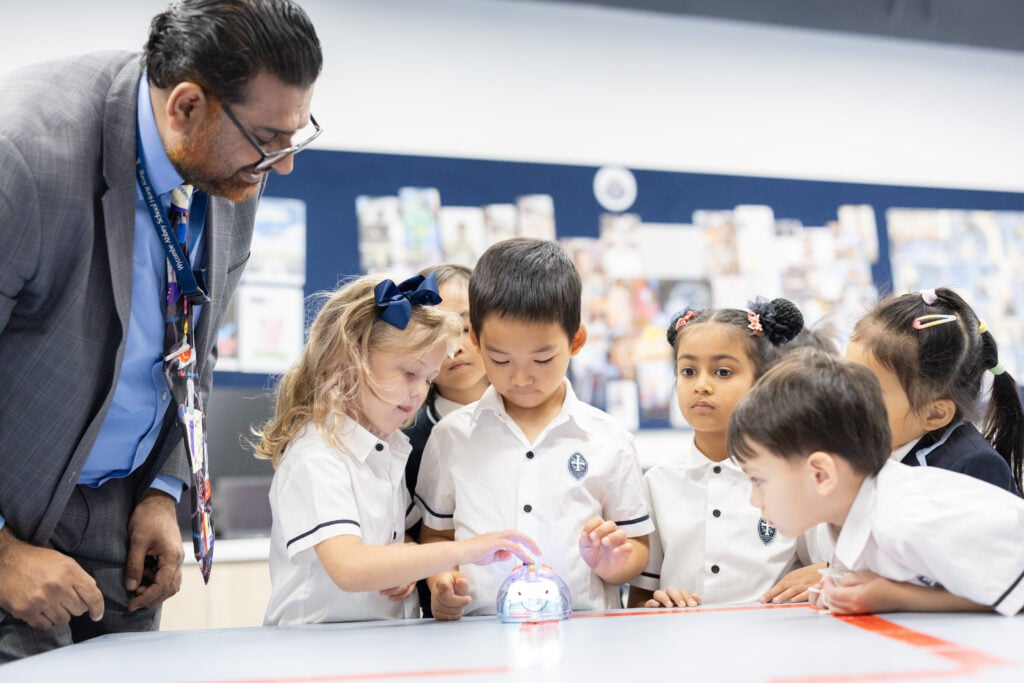
In a competitive market like Hong Kong, many schools advertise low pupil-to-teacher ratios, but the key question is: How is learning personalised? Ask schools how they tailor support to stretch the most able while nurturing those who find subjects challenging. Look for institutions that pride themselves on knowing every child as an individual.
5. Infrastructure: Facilities That Nurture Ambition
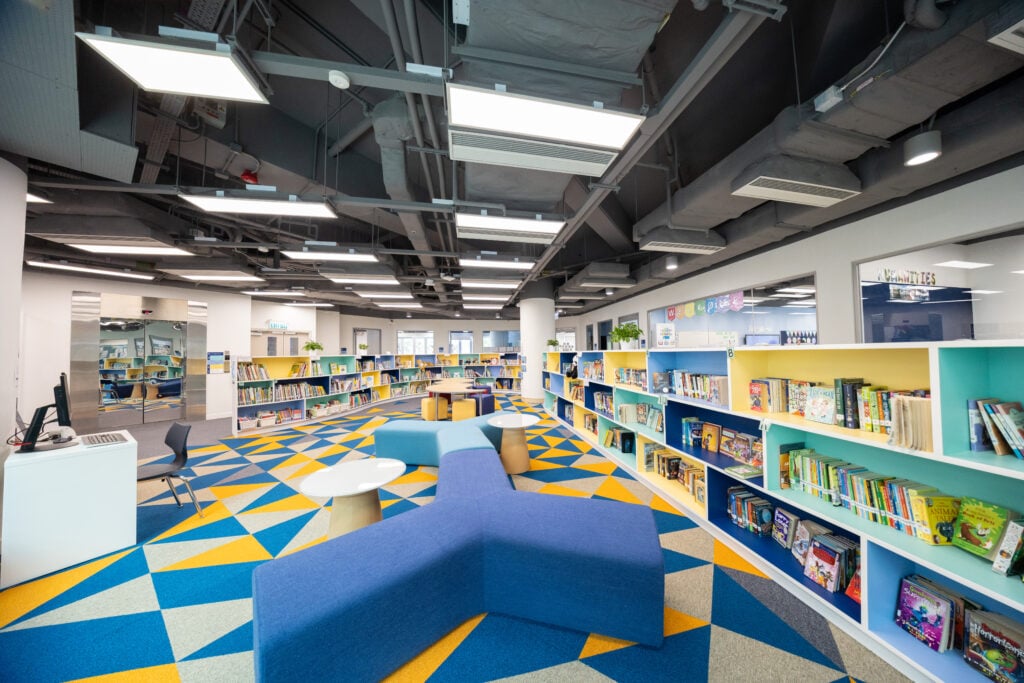
The best international schools have invested well in their infrastructure. From athletic playing fields to science laboratories, the physical environment plays a crucial role in nurturing students and their ambitions.
When evaluating a school, consider what co-curricular interests your child has. If they are passionate about sports, look for quality pitches, courts, or swimming pools. If your child is interested in going into a science field, then well-equipped laboratories and libraries should be key considerations. The same goes for the arts: look for dedicated spaces for music, drama, and visual arts. The best schools offer a wide range of facilities to help their students excel both in and out of the classroom.
6. A Genuine Focus on Extracurriculars
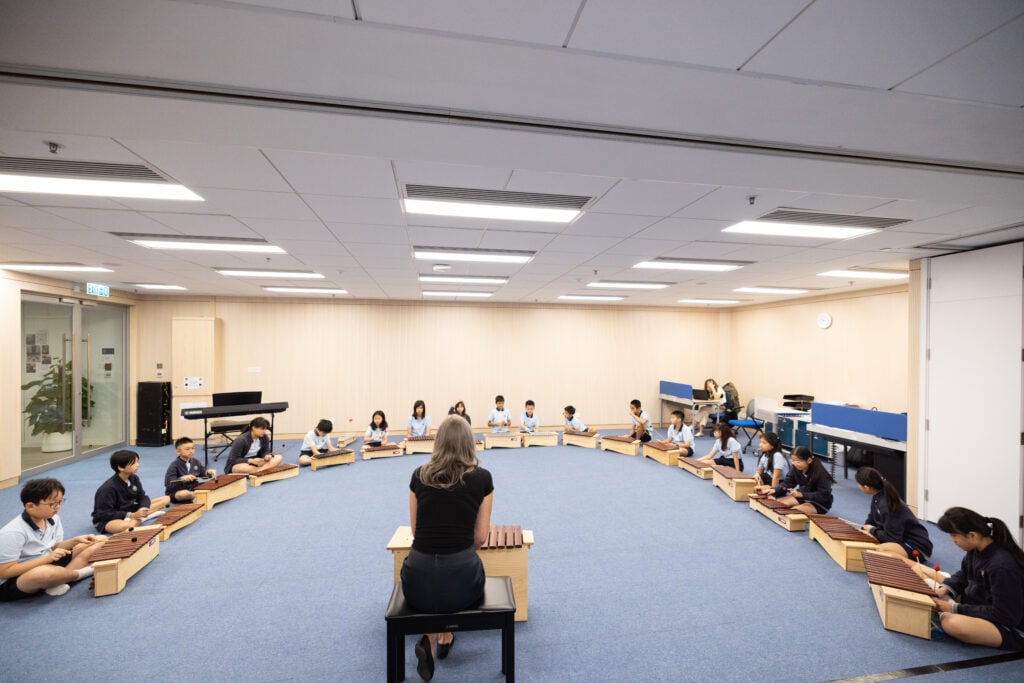
Education doesn’t stop at 3:30 pm. The depth and breadth of a school’s co-curricular programme is a vital sign of its commitment to holistic development. A wide range of activities, such as sports, arts, and leadership opportunities, ensures a well-rounded education.
Is the school just an “exam factory,” or do they genuinely celebrate the arts, sports, and leadership? Look for a diverse offering: from sports teams and music ensembles to debate, robotics, and community service initiatives. These activities build character, teamwork, and resilience—qualities that universities and employers value just as highly as grades.
7. Holistic Student Support and Pastoral Care
For a child to thrive academically, they must feel safe, happy, and supported. This is where pastoral care comes in. A hallmark of a quality institution is a strong focus on student well-being, including counselling, learning support, and a nurturing environment.
Many international schools in Hong Kong implement a House System to foster this sense of belonging. When evaluating a school, observe how students interact with each other and with staff. Is there a genuine warmth? A school with strong pastoral care will have open communication with parents and clear systems for supporting mental health and wellbeing.
8. Character Development and Values
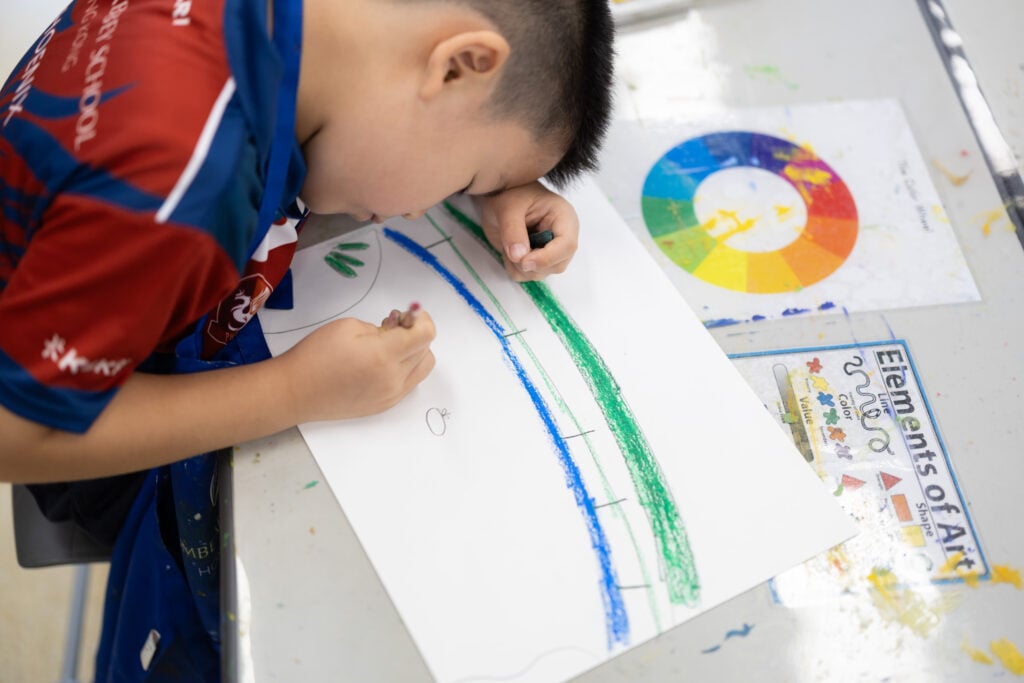
School plays an integral role in cultivating the character of students, especially in their formative years. Beyond academic results, you should seek a school that emphasizes good moral and ethical values. You should consider if the values align with your own or what you’d like your children to learn and incorporate into their development. This good foundation will help build the character of your child and determine what kind of person they become in the future. Look for evidence of these values in the school’s mission statement, in the corridors, and in the way students treat one another.
9. A Diverse and Inclusive Community
Consider the school’s community—the school should have a multinational student body and staff, creating a truly multicultural environment. This diversity is a powerful educational tool. It strengthens cross-cultural communication skills and prepares students to thrive in an interconnected world, fostering an inclusive atmosphere where different perspectives are celebrated. As the world continues to feel “smaller,” the ability to navigate and appreciate different cultures is an invaluable life skill.
This sense of community is reinforced by a strong Parent-School Partnership. Look for evidence of regular, transparent communication between teachers and parents. A school that views parents as partners in education creates a cohesive support system that benefits the child immensely.
10. University Outcomes and Destinations
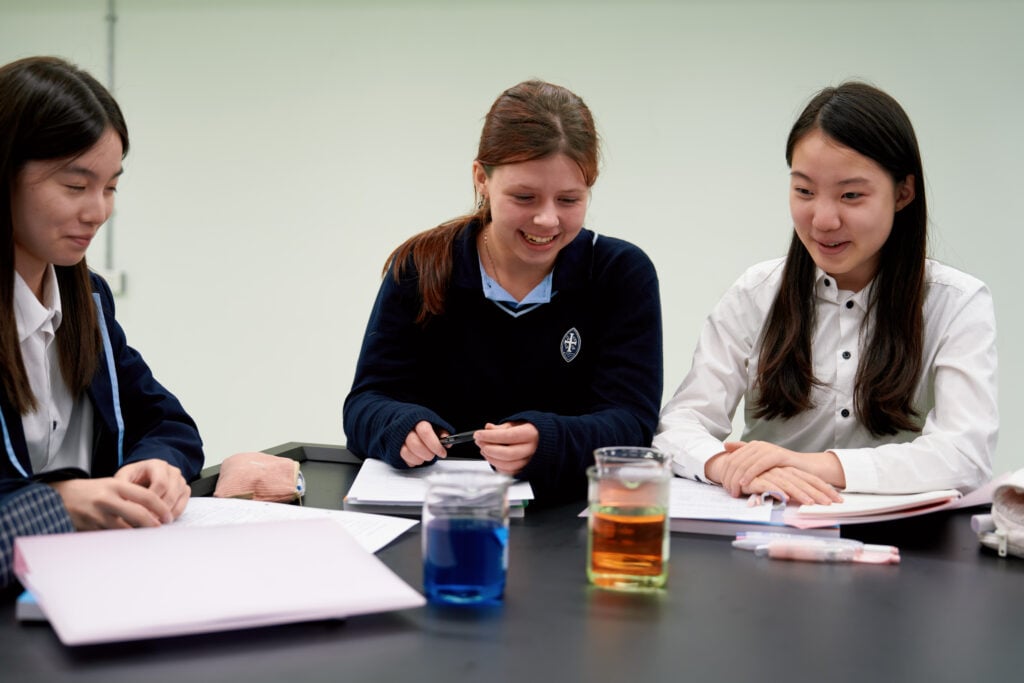
A school’s reputation is often built on where its graduates end up. However, rather than just looking at how many students went to Oxbridge or the Ivy League, look at the destinations.
When evaluating a school, ask: Does the school have a strong track record of placing students in your target country? A school might excel at sending students to UK Russell Group universities, while another might have a dedicated counselling team for US liberal arts colleges. Look for the breadth of destinations—it is often a sign of a truly global education.
11. Cost: Being Practical
Even within the international school market, you will find that the cost of education can vary significantly. Just like any other school category, the cost of tuition tends to go up depending on the location of the school and the facilities they provide. You need to be practical in establishing what price range of school fees you can afford and choose the best school that falls within that range.
Remember that the most expensive school is not automatically the best fit for your child. Weigh the fees against the facilities, teacher quality, and values on offer to determine the true value of the education provided.
FAQ: Your Key Questions Answered
What is the top international school in Hong Kong?
There is no single “top” school, as the best school depends entirely on your child’s unique needs and your family’s priorities. Some schools are renowned for their STEAM programmes and Oxbridge admissions, while others are celebrated for their pastoral care, arts, or languages. The goal is not to find the school with the best name, but the school that is the best fit for your child.
How do I choose the best school in HK?
Start by defining your family’s non-negotiables. Consider your child’s learning style and evaluate factors like curriculum, language options, location, and cost. Touring schools allows you to experience their learning environments firsthand. Observe the pupils—are they engaged and happy? Speak to teachers and ask about class sizes and personalised learning. A school visit will tell you more than any website or league table.
Is it too late to apply for Year 7 or 9?
It depends on the school. Some institutions in Hong Kong have long waiting lists, while others have rolling admissions throughout the year. Whether it is “too late” depends on the school’s specific admissions process, current enrolment, and the availability of spots in the desired year group. The best approach is to contact the schools on your shortlist directly to inquire about availability as early as possible.
How important are Chinese studies?
For families planning to stay in Hong Kong long-term, a strong Chinese programme is essential. Many international schools now offer excellent Mandarin pathways that allow students to maintain high academic standards in both languages. Additionally, proficiency in Chinese is not just an advantage in this region, but it can open doors to international careers both in and out of Hong Kong, providing students with a competitive edge in the global job market.
Conclusion
Selecting the best school for your child begins with exploring the types of schools in Hong Kong and their unique offerings. Finding the perfect match is a journey of aligning your child’s unique personality with an institution’s specific strengths. By using this framework—focusing on curriculum, community, support, facilities, and practical considerations like cost—you can move beyond the rankings and make a confident, informed choice that will open doors to your child’s future opportunities in a rapidly changing world.
Ready to start your search?
At Wycombe Abbey School Hong Kong, we offer a British international education that blends academic excellence with outstanding pastoral care. Our globally accredited curriculum, combined with a diverse and inclusive community and a commitment to character development, prepares students not just for top universities, but for a lifetime of success.
If our approach aligns with what you’re looking for in a school, we warmly invite you to visit our campus, meet our teachers, and see our community in action. Contact our Admissions team to book a tour and discover how we can support your child’s future.
